An editorial review of the story, characters, artwork and reading experience.
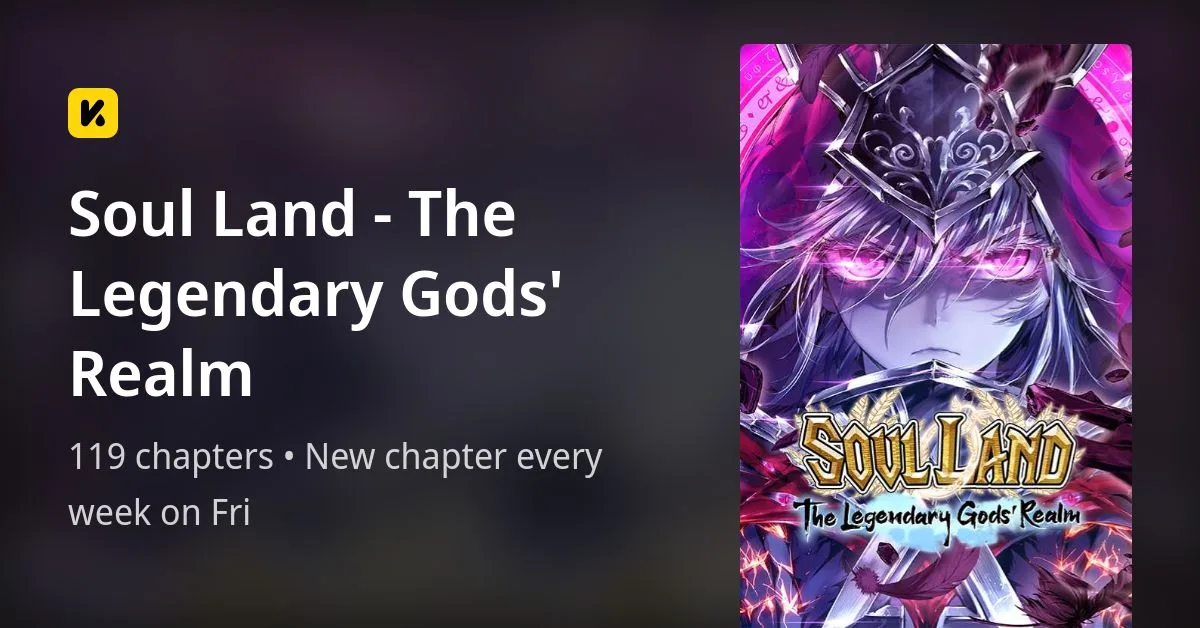
Official artwork for Soul Land – The Legendary Gods’ Realm, a related licensed English title; this image is not evidence of a complete official English edition of the original Soul Land manhua.Start by identifying the version
“Soul Land manhua” is not one clean product label. It can refer to the comic adapting Tang San’s first story, numbered sequel comics with new generations, or franchise side works such as The Legendary Gods’ Realm. A cover featuring familiar names does not prove it is volume one of the original adaptation.
Before reading, check the Chinese subtitle, protagonist, publisher and opening chapter. This review focuses on the comic version of Tang San’s original Soul Land journey, then explains where official English references do and do not provide a complete route.
Verdict
The manhua is enjoyable when it treats the spirit system as team composition rather than private leveling. Spirit rings, roles and combined abilities give the Shrek group reasons to need one another. Tang San’s hidden-weapon knowledge provides an additional tactical layer, making preparation as important as a late breakthrough.
Its adaptation is also freer and lighter than readers of the novel may expect. Comedy, designs and pacing can shift the tone, while long progression patterns repeat tournaments, upgrades and threatened companions. The result is accessible but not definitive: a bright franchise entry whose convenience depends heavily on which edition exists in your language.
Tang San and the spirit system
Tang San arrives with knowledge from a previous life, but his new world imposes distinct rules through martial souls and spirit rings. The clearest chapters explain what an ability changes in a team rather than merely announcing a higher number. Xiao Wu and the Shrek group matter most when their skills create coordination, not when they wait for Tang San to solve the scene.
The system is easy to enjoy and easy to overextend. New rings and techniques can feel like milestones; repeated rescue and tournament structures can make growth mechanical. Readers who like explicit advancement will tolerate more repetition than readers seeking rapidly changing moral or political stakes.
Art, tone and adaptation differences
The comic favors color, attractive character design and clear ability spectacle. It can make the academy and team material more playful than the novel’s internal narration. That is an adaptation choice, not automatically an error, but it means plot summaries cannot tell a reader whether the tone will fit.
Names are another source of confusion. Douluo Dalu, Soul Land and numbered sequel titles may be translated differently across services. Unlicensed editions add another layer by changing rank terms or combining chapters. Consistency matters more than chasing the highest apparent count.
Manhua, novel or donghua?
Choose the novel for the most complete internal logic. Choose the manhua for bright, fast visual progression. Choose the donghua for continuous team action and a finished first animated saga, while accepting a very large episode commitment. None should be described as the same experience in another container.
Who should read it?
- Read it if explicit ability systems and team combinations are central pleasures.
- Read it if a colorful, lighter adaptation is preferable to dense prose.
- Pause before paying until the edition and English release status are clear.
- Skip it if repeated progression structures quickly feel like content inflation.
Legal availability without pretending the gaps are solved
WebNovel provides an official English page for the source novel, not proof of a complete English comic run. INKR lists an authorized Soul Land franchise manhua, The Legendary Gods’ Realm, which is a related installment rather than the opening Tang San comic. These sources confirm the franchise and legal options, but they should not be combined into a false claim that the original manhua is completely licensed in English.
Why edition confusion changes the review
Soul Land is a franchise name applied to novels, comics, animation, live action and stories set in later generations. A page can be officially licensed and still not be the original Tang San manhua a reader intended to find. “Official Soul Land comic” is therefore not a precise edition label.
Before reading, record the subtitle, creator credits, platform and opening premise. If Tang San is absent or the title refers to the Gods’ Realm, it may be an authorized related work rather than the adaptation assessed here. This protects both SEO accuracy and the reader’s purchase.
Does the progression remain satisfying?
The system works when a new ring or technique changes team strategy instead of merely announcing a higher rank. Tang San’s preparation gives growth continuity, while companions with different martial souls prevent every solution from looking identical.
The weakness is accumulation without enough recovery. New abilities, rivals and institutions can arrive before the emotional result of the previous breakthrough has settled. Readers who enjoy cataloging a large power system may experience abundance; readers seeking tight character consequence may experience clutter.
Frequently asked questions
What is the first Soul Land manhua?
It is the comic adaptation centered on Tang San’s original Douluo Dalu story. Check the protagonist and subtitle because sequel and side-story comics share the Soul Land brand.
Is The Legendary Gods’ Realm the original manhua?
No. It is a franchise side story/installment and should not be used as chapter one of Tang San’s original journey.
Is the manhua better than the donghua?
The manhua is faster and visually lighter; the donghua offers sustained motion and a long completed first saga. Version preference depends on pacing tolerance and legal availability.
Continue reading
Continue with Cultivation manhua guide, Manhua reviews, or Soul Land donghua review.
Sources and verification
- WebNovel — primary source
Official platform · accessed 26 Aug 2026 - INKR Comics
Official source · accessed 26 Aug 2026