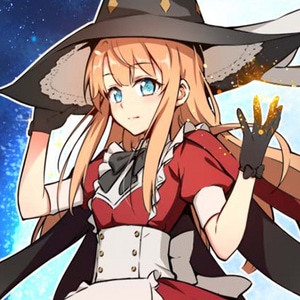
Is Release That Witch worth reading?
Release That Witch is worth reading if building a functioning society sounds more exciting than watching one hero climb another combat ladder. Roland turns magic into heat, medicine, transport and defense; the reward is watching those ideas change everyday life.
The biggest caveat is scale. The comic makes the premise easy to understand, but later political reasoning, technical steps and character transitions receive less room. Treat the manhua as the accessible, momentum-first version and the novel as the version for readers who want the full process.
- Verdict: Recommended with caveats.
- Best for: Kingdom building, engineering, logistics and practical magic.
- Commitment: Very long—the published comic ends at story installment 695.
- Biggest drawback: The expanding cast and final stretch are compressed.
- Format: the manhua adaptation, not the original novel. Spoilers are limited to the premise and early cast.
What is Release That Witch about?
A modern engineer awakens as Roland Wimbledon, a prince assigned to govern an unimportant border town. The society around him persecutes witches as agents of evil. Roland instead sees people whose abilities can be understood, protected and applied to practical problems.
That makes the witches’ safety part of the story’s growth, not just its setup. A school, workshop or supply line can change what the town survives, while military victories matter because production, education and governance have changed what Roland’s territory can sustain.
Why the kingdom building works
Progress stays visible. A road reduces travel time; a reliable furnace changes production; literacy creates more workers and administrators. The best arcs connect an invention to labor, money and political power, so a successful test does more than supply a clever science reference.
Anna is the clearest early example. Her flame begins as the reason others fear her, then becomes controlled heat that Roland can build industrial work around. One witch does not solve every problem. Knowledge, training and cooperation turn a dangerous-looking gift into something repeatable and socially useful.
That institutional focus separates the series from many combat-first picks in our best manhua guide. Roland grows powerful mainly by coordinating specialists and giving their work a durable place in the city.
| Step | What changes | Why it matters |
|---|---|---|
| 1. Ability | Heat, healing, flight or another specialized power | A witch can solve one immediate problem |
| 2. System | Training, tools and repeatable work | The result no longer depends on improvisation |
| 3. Public result | Safer work, medicine, transport or defense | The town becomes more capable, not just Roland |
Witches, Roland and the cost of a growing cast
The early witches give the premise emotional weight. Anna’s caution, Nightingale’s suspicion and the group’s memories of persecution keep the first stages of development from becoming a frictionless city-building game. Trust has to be earned before anyone can treat a new home as more than temporary shelter.
At its best, each witch is a person learning where her ability fits into public life, not a resource Roland simply collects. Scale eventually weakens that strength. As the roster grows, some characters become easier to remember by power than by personality, and Roland’s habit of finding a workable answer can flatten disagreement.
Readers who want strategy centered on a ruthless antihero rather than civic systems may prefer our Magic Emperor review.
Artwork and official English readability
The full-color art makes workshops, fortifications and machines easy to read at a glance. Character designs are appealing, and expressions keep explanatory stretches moving. The polished visual tone can, however, soften the fear and brutality that the premise introduces.
The official English edition is generally readable, though functional dialogue sometimes sounds more like information delivery than conversation. Staying on one licensed platform also makes the long run easier to track because Tapas and WebNovel package bonus material and story installments differently.
Where the pacing breaks
Brisk pacing is an early advantage: a technical idea becomes a visual sequence and reaches its consequence quickly. Later, the same efficiency has to carry larger wars, political blocs and a much wider cast. The adaptation starts skipping some of the reasoning that made its early victories persuasive.
The final stretch makes that trade-off hardest to ignore. The comic reaches a published finale, but moves through the novel’s later material with far less room for transition, debate and recovery. Readers drawn to the patient work of building Roland’s kingdom may find that acceleration especially frustrating.
Is the Release That Witch manhua completed?
Yes—as a published comic, Release That Witch is complete. Tapas marks the series completed and shows 697 total entries; its final page is titled “695 (Series Finale)” and is dated 13 December 2025. WebNovel marks the comic completed with 698 catalog entries, ending at “Chapter 698: 695 Return Home.” Both catalogs end on story installment 695, while their platform totals differ.
A completion badge does not explain how fully an adaptation develops its source. If ending quality matters more than simple status, use the checks in our completed manhua guide.
Manhua vs novel: which should you choose?
| Format | Choose it for | Main trade-off |
|---|---|---|
| Manhua | Full-color art, quick orientation and a faster project-to-payoff rhythm | Technical and political reasoning is compressed, especially late in the run |
| Novel | Fuller process, inner reasoning and the full-length version of the ending | A much longer prose commitment: WebNovel lists 1,498 chapters |
Start with the manhua if visualizing the machines, city and large cast matters most. Switch to the novel when a policy or late conflict feels as though it skipped the argument that should support it. Readers already drawn to technical detail and political process may be happier beginning with the novel.
Who should read it?
- Best for: readers who enjoy kingdom building, engineering, logistics and competence expressed through coordination.
- Good fit: fantasy readers who want magic to change work, education, medicine and public life—not only battles.
- Know before starting: the series is very long and includes persecution, war violence, a large cast and a harem tag on Tapas.
- Skip if: romance is your main reason to read, or a rushed final adaptation arc would outweigh the earlier construction payoffs.
Before committing to hundreds of entries, read through the first complete construction problem. If the setup, experiment and public payoff feel satisfying, the long run will probably suit you. If the technical explanation already feels like homework, later scale does not change the series’ basic appeal.
Final verdict
Release That Witch makes a working furnace or safer clinic feel as satisfying as a battlefield win. Its early mix of persecution, knowledge and civic progress gives the optimism weight; its expanding cast and rushed finale keep the comic from being the definitive version. For readers who prefer building capacity to collecting power, it remains an easy recommendation—with clear caveats.
Frequently asked questions
Is Release That Witch manga or manhua?
It is manhua: a Chinese comic adapted from Er Mu’s Chinese web novel. The novel and comic tell the same central story in different formats, rather than being separate entries in a reading order.
Is Release That Witch a harem?
Tapas tags the series as harem, and more than one romantic thread surrounds Roland. Romance is not the manhua’s main engine, but readers seeking an exclusively monogamous romance should treat the tag as relevant.
Which official English platform should I use?
Tapas and WebNovel both list official English editions. Tapas advertises Episode 1 as free and uses unlocks later; WebNovel identifies its comic as an authorized Webnovel Comics release. Prices, free access and regional availability can change, so compare the live platform pages before committing.
Should I read the novel or manhua first?
Choose the manhua first for visual clarity and faster momentum. Choose the novel first if technical reasoning, political process and the full-length version of the ending are the main attraction.
Sources and verification
Corrections
28 August 2026: Clarified how Tapas and WebNovel count the comic finale and expanded the ending assessment.