Dreaming Freedom is worth reading if you want a tense relationship story in which rescue can become another kind of trap. The lucid-dreaming premise is a strong hook, but the more important question is what happens when an isolated person becomes dependent on someone who finally takes her side. That makes this a better fit for readers of dark romance than for anyone looking for a reassuring school love story.
The biggest expectation to adjust is the balance between revenge and romance. Jeongmin's dreams offer an escape from bullying, but approaching the manhwa only as a clever revenge puzzle can leave you disappointed. Its interest increasingly lies in attachment, jealousy and control.
This review focuses on the setup and central relationship dynamics, not a full-series or ending assessment. There are premise spoilers, but no ending reveal.
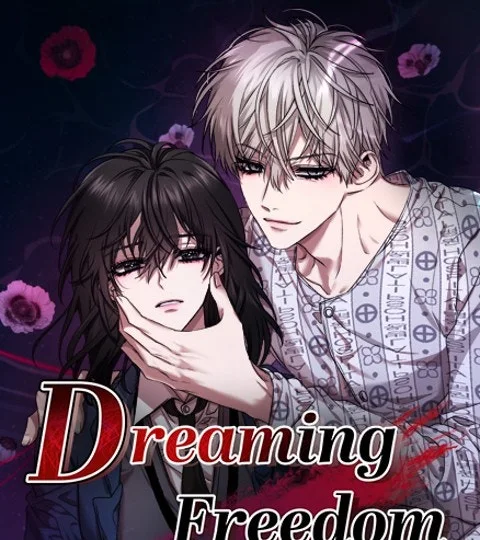
What is Dreaming Freedom about?
Jeongmin is being isolated and bullied at school. Juhyeon, once her childhood friend, turns their broken friendship into a reason to make Jeongmin's daily life miserable. The earlier conflict was already about possession: Juhyeon wanted Jeongmin's friendship on exclusive terms.
Lucid dreams give Jeongmin a place where the balance of power can feel different. A mysterious man appears there and offers help getting revenge. The supernatural hook makes that offer possible, but the emotional setup makes it tempting. Someone with very few allies is unlikely to treat support as an ordinary, easily replaceable thing.
Dreaming Freedom is a Korean manhwa published in English on WEBTOON and credited to 2L. Although people sometimes search for it as a manga, this is the full-color Korean webtoon, not a separate Japanese comic.
Three characters explain the central tension
Jeongmin is the lead, and her isolation is the story's starting point. Understanding why she wants an ally is not the same as assuming every choice she makes will be wise. The gap between those two judgments is where much of the tension sits.
Siyun Baek is the central male character and romantic interest. His appeal is closely connected to his attention: he notices Jeongmin and becomes important in a life where attention has often meant humiliation. That makes him compelling as a fictional figure without making every possessive action reassuring.
Juhyeon is the former friend whose bullying helps create that vulnerability. Her place in the setup matters because controlling attachment does not arrive with the romance for the first time. Jeongmin already knows what it is like for someone to treat closeness as ownership.
The bullying makes the offer of escape believable
Dreaming Freedom does not need an elaborate fantasy world to make waking life feel oppressive. A classroom is a place Jeongmin has to return to, not a battlefield she can leave once a confrontation ends. Being surrounded by classmates is no protection if those people participate in, tolerate or ignore her isolation.
That gives the dream premise a practical emotional purpose. It is not merely an unusual ability placed on top of a school setting. It offers a reversal of the helplessness built into Jeongmin's everyday routine.
The risk is that repeated cruelty can become wearing. The opening gives you a strong reason to want her situation to change, but it is not a pleasant stretch of reading. If school bullying is especially difficult material for you, the supernatural element does not make those scenes harmless.
Is Siyun romantic, toxic, or both?
As a character in a dark romance, he can be attractive precisely because his attention is intense. As a model for a healthy relationship, that intensity is not enough. Jealousy, dependence and attempts to control another person's choices do not become caring simply because they are accompanied by affection.
The useful distinction is between enjoying a scene and endorsing the behavior in it. Fiction can make a dangerous attachment absorbing. You do not have to pretend it is healthy to find it interesting, and you do not have to enjoy it merely because you understand the appeal.
For Jeongmin, the attraction of being chosen has a context. Support feels unusually valuable when rejection has become routine. That explains why a relationship might gain such weight in her life; it does not mean a partner should become her only source of stability.
This is the point where Dreaming Freedom will either become more compelling or lose you. If you want a male lead whose possessiveness creates suspense, the premise has a clear attraction. If you need jealousy to be brief, challenged immediately and followed by consistently healthy communication, this is a riskier choice.

What works about the art and pacing?
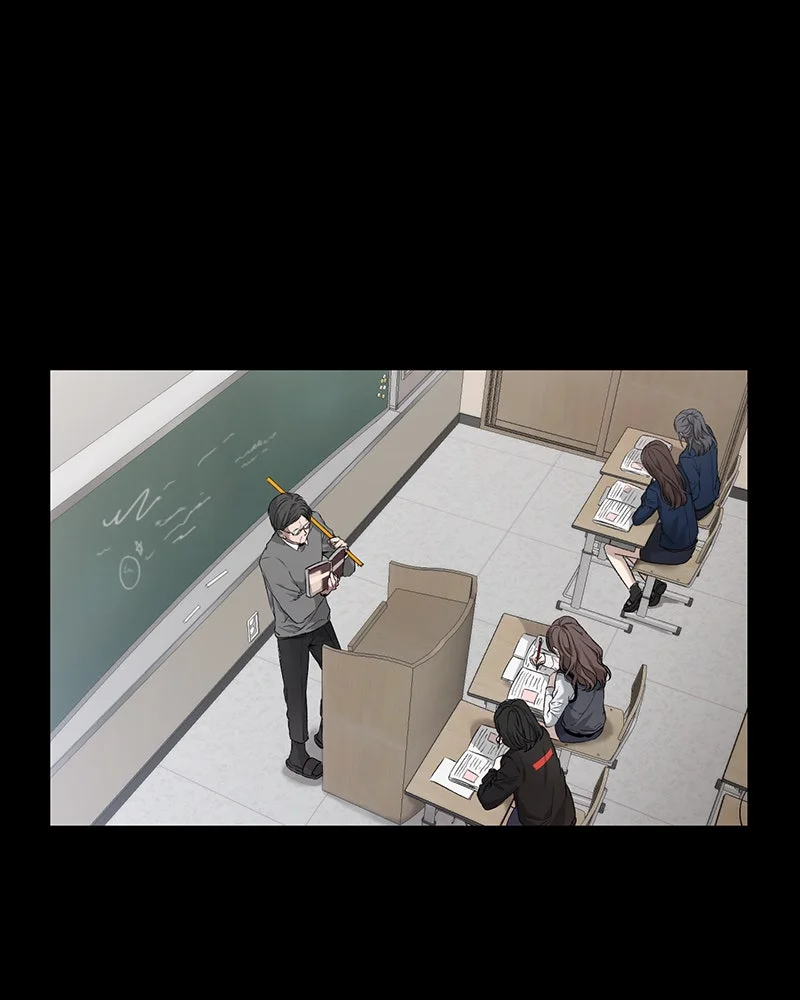
The contrast between the classroom opening and the promotional art is telling. The classroom image places people within a shared space, with Jeongmin's ordinary environment taking priority. The cover moves directly into an intimate close-up, with Siyun's hand at her face. Before reading far, you can already see the difference between public isolation and very concentrated private attention.
The vertical format also gives the opening room to pause. The classroom panel sits within dark space rather than filling the entire screen with information. Scrolling into it creates a slower introduction than a crowded page would. That suits an uneasy setup, though readers who want constant incident may find the pauses heavy.
The broader pacing question is what you want the next installment to deliver. If it is another change in the relationship, the romance focus is likely to keep your attention. If it is a new rule of lucid dreaming or a tightly resolved revenge step, emotional confrontations may feel like a detour.
Is Dreaming Freedom completed, and where do you start?
The English WEBTOON listing is marked completed. Start with episode one; the opening explains Jeongmin's situation without requiring background reading. Availability of episodes on the website and app can differ, and “completed” does not mean the entire series is available without restrictions or payment.
Completion answers whether there is an endpoint, not whether every reader will find that endpoint satisfying. This review avoids ending spoilers, so there is no disguised final-chapter summary waiting in the recommendation.
WEBTOON rates Dreaming Freedom Young Adult (16+). Expect bullying, strong language, abuse, violence and controlling relationship behavior. It is not a light school romance simply because the cast looks attractive on the cover. Readers seeking a warmer relationship story can compare other options in our romance manhwa recommendations.
The verdict: choose it for the tension, not the comfort
Dreaming Freedom has a strong reason for bringing its central characters together: Jeongmin needs an escape, and attention from an ally can feel enormous when the rest of her life is hostile. The uncomfortable part is what that need can make difficult to question.
Try it if you enjoy fictional relationships that make you alternate between attraction and alarm. Skip it if you primarily want a healthy romantic partnership or a revenge story whose supernatural mechanics stay in the foreground. Knowing that difference before you start is more useful than being told the male lead is simply good or bad.