What does donghua mean?
Donghua (动画/動畫, dònghuà) means “animation” in Mandarin. In English, the term usually refers to animation produced in China. It includes 2D mystery series like Link Click, 3D fantasy series like Soul Land, and feature films. Donghua is not limited to any one genre or visual style.
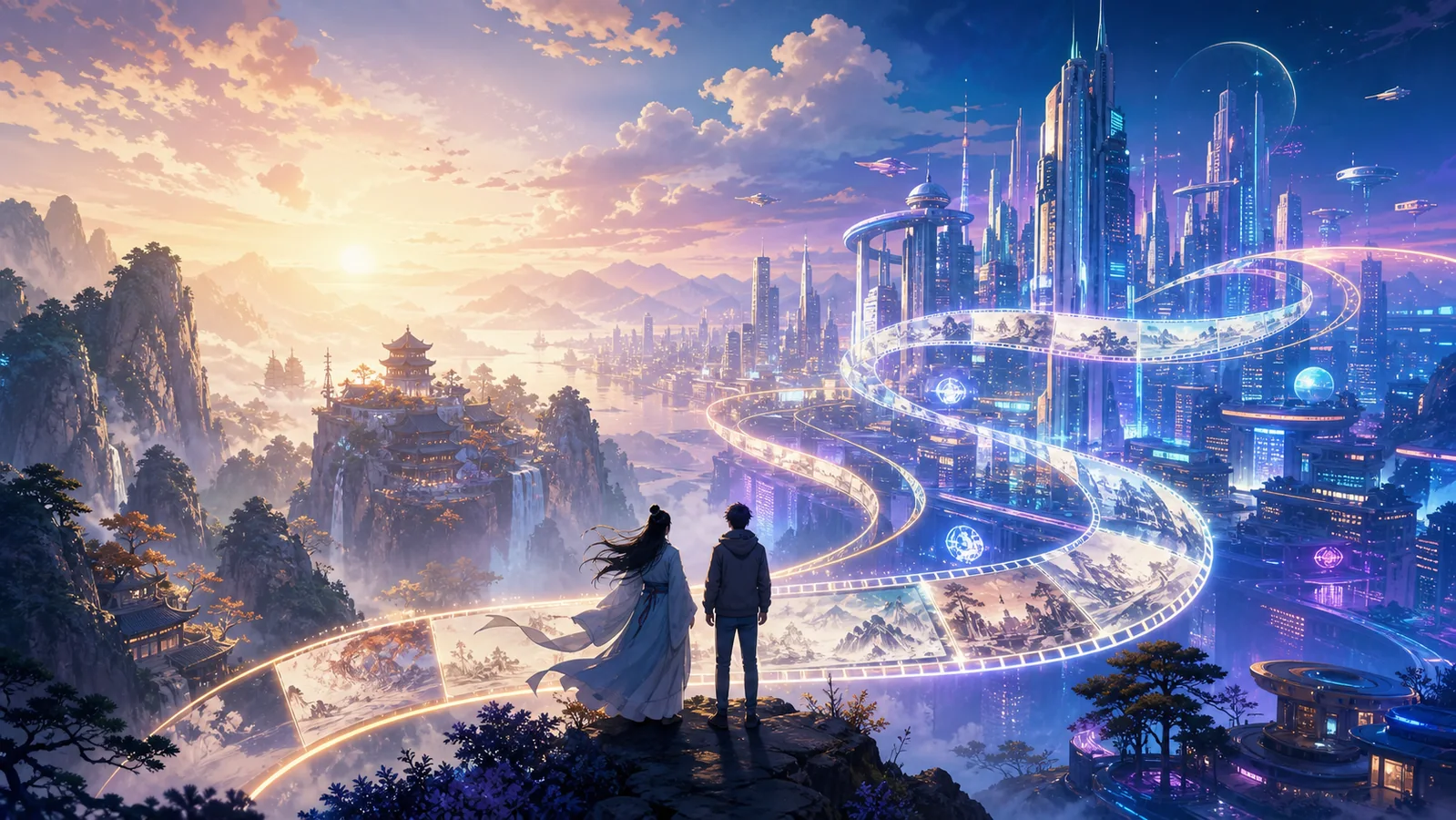
Donghua vs anime vs manhua
The distinction is easiest to remember when you separate animation from comics. In everyday English use, the three terms usually mean:
| Term | Common English meaning |
|---|---|
| Donghua | Animation made in China |
| Anime | Animation made in Japan |
| Manhua | Chinese-language comics |
Art style alone cannot reliably distinguish Chinese animation from Japanese animation. The two can share visual influences, and international co-productions may blur the line. A Japanese dub does not make a Chinese production Japanese.
You may also see donghua called “Chinese anime.” The phrase is useful shorthand, but Chinese animation includes much more than work that resembles Japanese anime.
Is donghua always 3D?
No. Fog Hill of Five Elements combines hand-drawn action with brush-like textures, while Perfect World uses 3D animation for its fantasy battles. Both are donghua. Chinese animation also includes stop motion and productions that mix techniques.
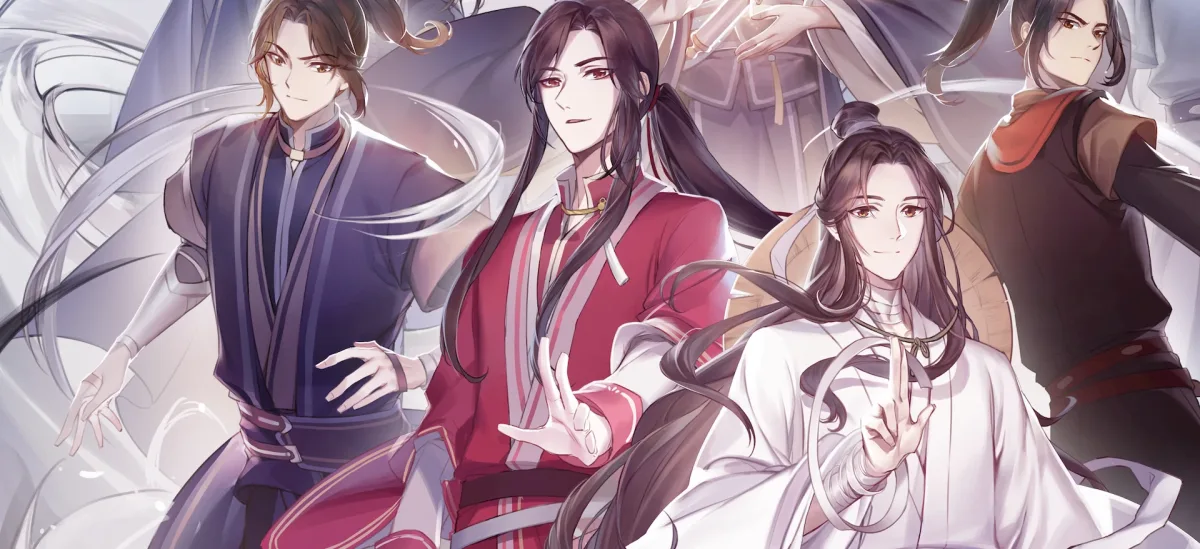
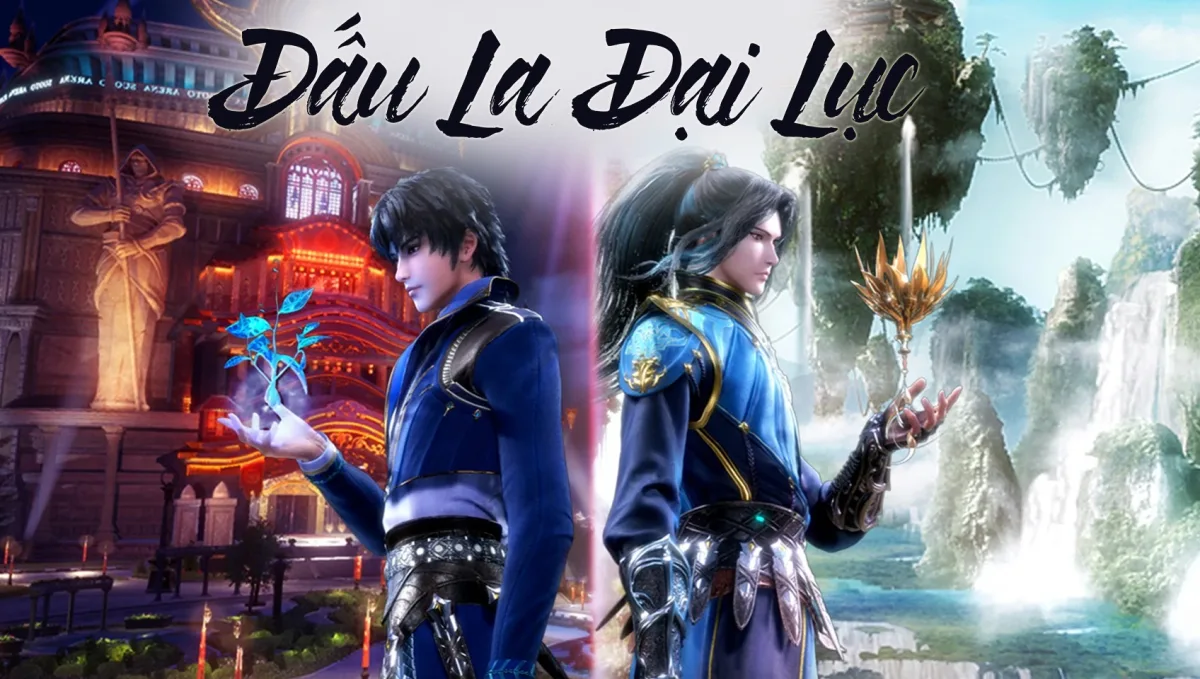
3D is common in long-running cultivation series, where character models and settings can be reused across many episodes. Neither 2D nor 3D guarantees good animation. What matters is how the characters move and express emotion, and how clearly you can follow the action.
Which donghua should you try first?
Start with the kind of story you already enjoy.
- Link Click — Two men run a photo studio where unusual jobs involve entering photographs and revisiting the past. Try this modern thriller if you prefer mysteries to elaborate fantasy worlds.
- Fog Hill of Five Elements — Hand-drawn fights, brush-like textures and martial-arts choreography are the main attraction. This short fantasy series is a good choice if action and animation are what you watch for.
- Battle Through the Heavens — Xiao Yan’s lost talent sets up a long cultivation journey of training and rivalries. Look for this one if you enjoy watching a hero rebuild his strength. It is also listed as Fights Break Sphere and Doupo Cangqiong.
- Soul Land — Tang San trains in a world where martial souls take animal, plant or weapon forms. This long 3D fantasy suits viewers who enjoy exploring a detailed power system and following how the characters’ abilities develop.
- Swallowed Star — For science fiction. Luo Feng’s journey begins on an Earth transformed by catastrophe and expands into space.
- Heaven Official’s Blessing — Character-led fantasy with a romantic undercurrent. A good fit if relationships interest you more than training and power upgrades.
Read our Link Click review for more on its story, or browse our donghua recommendations by genre for more options.
The fantasy terms you are likely to encounter
Cultivation, xianxia and wuxia often appear in donghua descriptions. They describe particular kinds of stories, not Chinese animation as a whole.
- Cultivation stories follow characters training their bodies, spirits or supernatural abilities, often through named levels or realms. The appeal is watching their abilities grow as they learn techniques and face stronger opponents.
- Xianxia draws on immortals, spiritual practice and Chinese mythology. Xuanhuan is a broader fantasy label that can mix these influences with invented worlds and magic systems. English translations do not always use these labels consistently.
- Wuxia focuses on martial heroes, rival schools and codes of conduct. Its fighters may perform extraordinary feats without the story becoming a quest for immortality.
For something outside cultivation, try a contemporary thriller, comedy, romance or science-fiction series.
Where do donghua stories come from?
Many well-known donghua adapt Chinese web novels, manhua or games. Others tell stories created specifically for animation. A web novel can become an animated series without a comic version in between. When a story exists in all three forms, each version can differ in pacing, scene order and detail.
This matters when looking up an ending or checking whether a story is complete. A finished novel does not mean its animated adaptation has reached the same point. Make sure the information you find refers to the version you plan to watch.
Where can you watch donghua legally?
WeTV lists titles such as Perfect World, Swallowed Star and Fights Break Sphere. Bilibili’s international service also carries Chinese animation, while services such as Crunchyroll license selected titles, including Link Click. Availability, subtitles and subscription requirements depend on your country.
Before subscribing, check the series page for the episodes and language options you want. On YouTube, look for episodes published by the rights holder or an official distributor.
For more viewing options, see our guide to watching donghua legally. If you cannot find a series, try its Chinese name or an alternative English title. Battle Through the Heavens, for example, is listed on WeTV as Fights Break Sphere. Check that you have found the animated version rather than a live-action adaptation.
Frequently asked questions
Is donghua always in Mandarin?
No. Mandarin is common, but Chinese productions can use other Chinese languages and may receive English, Japanese or other dubs.
Is donghua suitable for children?
Not automatically. Like other animation, it serves different audiences. A series may include graphic violence, frightening scenes or mature themes, so check the age rating and content warnings for the individual title.
Do you need to read the novel or manhua first?
Usually not. Start with the animated series if that is what interests you. The source can add detail later, but reading it in advance may also reveal twists you would rather discover on screen.
Sources and verification
- Association for Chinese Animation Studies
Academic reference · accessed 24 Aug 2026 - Bilibili International — primary source
Official platform · accessed 28 Aug 2026 - Ministry of Education, Taiwan — primary source
Official source · accessed 28 Aug 2026 - WeTV — primary source
Official platform · accessed 28 Aug 2026 - Database for Animation Studies
Academic reference · accessed 28 Aug 2026 - MCLC Resource Center, Ohio State University
Academic reference · accessed 28 Aug 2026 - Smithsonian Institution
Specialist reference · accessed 28 Aug 2026
Corrections
28 August 2026: Clarified the Mandarin meaning of dònghuà and its narrower use in English-language coverage.