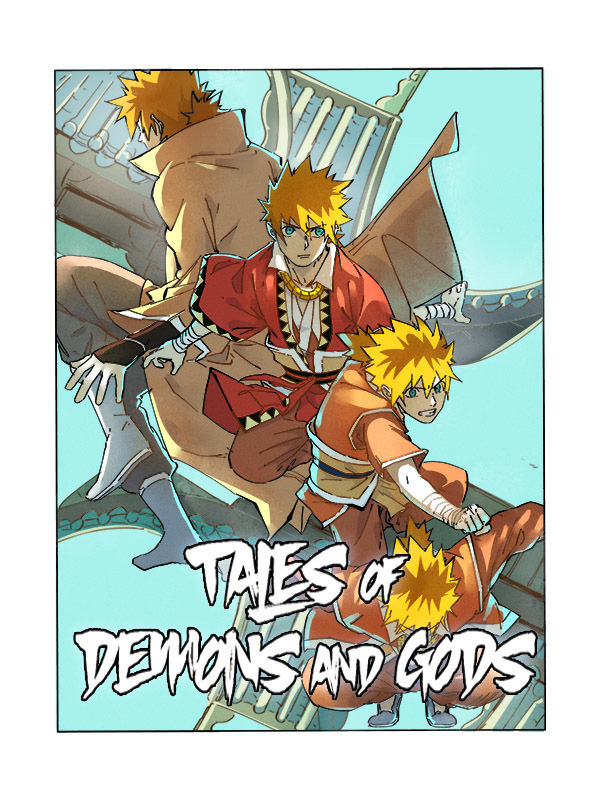
Is Tales of Demons and Gods worth reading?
Yes, especially as an entry point to Chinese cultivation comics. Nie Li returns to youth with knowledge of a destroyed future, but his advantage has a concrete purpose: prevent Glory City from falling and protect the people he lost.
That deadline gives familiar regression pleasures more emotional shape. He is not merely collecting superior techniques; he is rebuilding a network strong enough to survive.
What is the story about?
After dying at the height of his long cultivation journey, Nie Li awakens as his thirteen-year-old self. His teachers still underestimate him, old enemies remain powerful and catastrophe has not yet reached the city. He remembers techniques, treasures and political failures that nobody else has lived through.
Why the rebirth premise works
Nie Li's knowledge changes more than combat. He corrects training methods, creates economic leverage and identifies threats before they become visible. Watching a supposedly weak student dismantle adult certainty is consistently satisfying.
The cost is tension. Because his memory is so broad, a surprising problem can become another opportunity to reveal that he already knows the answer.
Demon spirits give cultivation personality
Abilities are tied to creatures, compatibility and transformation, giving fights a visual identity beyond colored energy. The system also supports teamwork: different strengths matter when Glory City is treated as a community rather than an arena for one hero.
Characters and romance
Nie Li's loyalty to friends is one of his better qualities. He invests in people early and creates space for them to become stronger. His confidence can also read as manipulation because the people around him do not share the history guiding his decisions.
The romantic material is less balanced. His devotion to Ye Ziyun comes from a future she has not experienced, while Xiao Ning'er often receives the more immediate emotional development. Readers sensitive to persistent love triangles may find this frustrating.
Art and pacing
The art is colorful, expressive and approachable. Humor prevents school and training arcs from becoming dry, while demon-spirit battles use clear silhouettes. Short installment structure can make transitions abrupt, and long-term readers may notice repeated confrontations with arrogant rivals.
Who should read it?
Current official English listing
WebNovel listed 929 chapters and credited Taxue Comics when checked on 24 August 2026. The page advertised Monday and Wednesday updates, although availability and release timing can change by region.
Manhua, novel or donghua?
The manhua is the easiest entry because demon spirits, transformations and school comedy are immediately visual. The novel gives Nie Li’s strategy and cultivation detail more room. The donghua moves faster but is less useful if your priority is a clear introduction to the world.
Readers comparing it with other rebirth stories can continue with our cultivation manhua guide.
Why are the early academy arcs so effective?
The academy gives Nie Li’s future knowledge a useful scale. He is not immediately solving a cosmic war; he is correcting lessons, helping friends train and exposing weaknesses in adults who mistake authority for understanding. Each advantage is easy to see, and each success contributes to the larger goal of protecting Glory City.
That combination makes the opening friendly to readers who do not already know cultivation terminology. Demon spirits provide a visual power system, school rivalries create short-term tension and the doomed future gives ordinary training scenes a deadline.
Does the story stay as focused later?
Not always. The world expands, stronger enemies arrive and Nie Li’s remembered knowledge continues producing answers. The protective goal remains important, but repeated confrontations with arrogant opponents can make individual arcs feel interchangeable.
The series works best when his knowledge changes a relationship or strengthens the community, not merely when it proves he is the smartest person present. Readers who respond to the friends, families and city around him will have more patience with the repeating progression beats.
Who should start with the manhua?
Choose the manhua if accessibility matters. The color art makes demon spirits and transformations easy to distinguish, while humor softens the amount of training and exposition. Choose the novel first if you want more of Nie Li’s internal reasoning. The comic is the better trial version because its strengths and weaknesses become visible quickly.
Why it remains an accessible cultivation gateway
Nie Li has a concrete city to protect, a known catastrophe and an understandable progression system. Those anchors make the early story easier to enter than cultivation epics that begin with several realms and factions at once.
The trade-off is certainty. Knowledge from a previous life often lets Nie Li dominate conversations and training choices, so readers who need a vulnerable lead may prefer a slower, less informed cultivator.
Final verdict
Tales of Demons and Gods succeeds because its second chance is pointed outward. Nie Li wants strength, but strength is meaningful because a city once died without it. The manhua does repeat itself and its romantic writing is uneven, yet the early combination of strategy, friendship and monster-based cultivation remains easy to recommend.
Frequently asked questions
Is Tales of Demons and Gods worth reading?
Yes for beginners who want accessible cultivation, rebirth strategy and a concrete goal in saving Glory City. Repeated rivals and uneven romance are the main cautions.
Is the manhua completed?
No. WebNovel listed an active official English comic with 929 chapters and a Monday–Wednesday update notice when checked on 24 August 2026.
Should I read the manhua or novel first?
Start with the manhua for accessibility and visual demon-spirit battles. Choose the novel first if detailed cultivation logic and Nie Li’s internal reasoning are more important.