A dangerous place to want to help
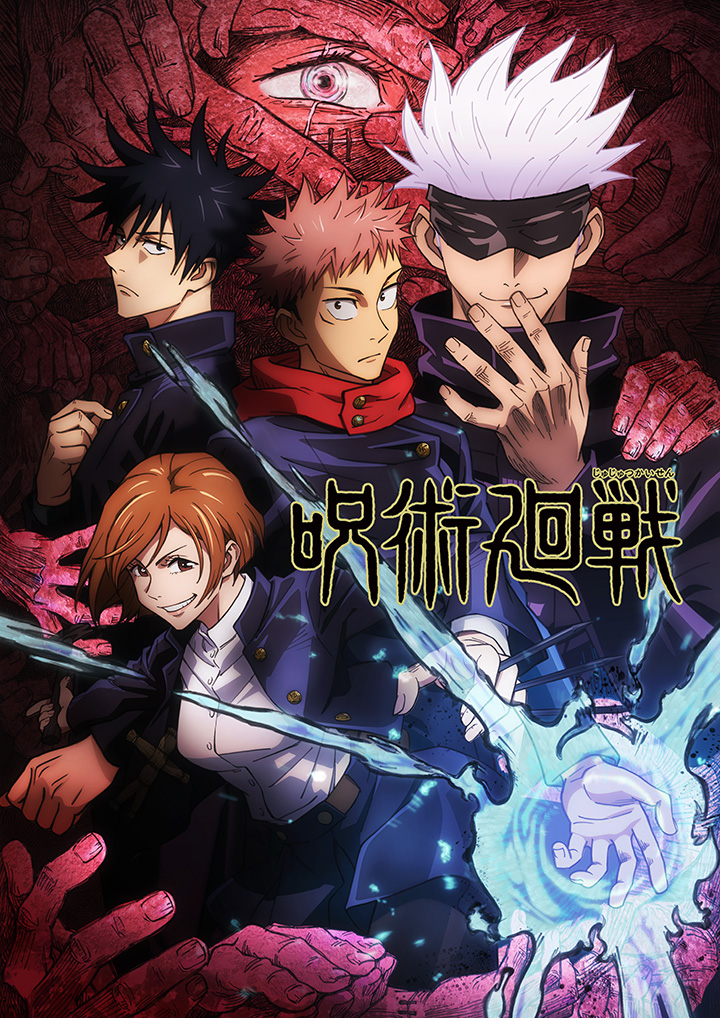
Yuji Itadori is strong enough to make a physical problem look easy. The trouble with Jujutsu Kaisen is that its most painful problems are rarely physical. Helping someone can expose another person to danger. Surviving a confrontation does not necessarily mean making the right choice. Having Sukuna inside him gives Yuji access to extraordinary power without making that power a trustworthy ally.
That tension makes Gege Akutami’s story more compelling than its familiar introduction suggests. A teenager enters a hidden world, joins a specialist school and meets unusually gifted classmates. There is plenty of swagger and teasing. But the school is preparing these teenagers for work that can destroy them, and the adults do not have a reassuring answer to every threat.
Jujutsu Kaisen is worth watching for the way it turns that uncertainty into urgent, inventive action. It is less consistently satisfying when you want time with the people between emergencies. The characters are easy to become attached to; the story is often in a hurry to put that attachment under pressure.
The fights reward attention, not just excitement
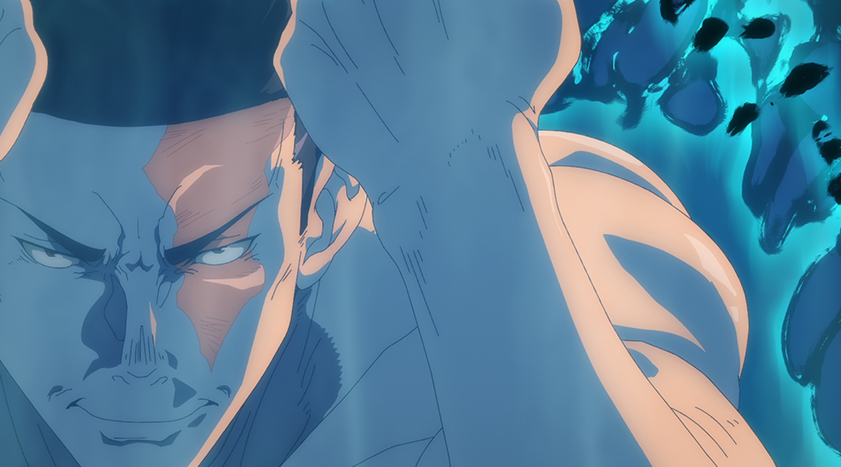
Yuji and Aoi Todo’s fight against Hanami is a good example of the appeal. Todo’s ability to change positions makes the space between fighters part of the contest. An attack can become dangerous because of where someone will be next, not simply how hard they can hit. Yuji has to cooperate with a partner whose thinking is as important as his strength.
It is an entertaining relationship as well as an entertaining mechanism. Todo’s extravagant confidence could become a one-note joke, but his willingness to instruct Yuji gives the partnership substance. The two can be ridiculous together and still make their trust believable when the action demands it.
The best encounters invite you to anticipate a move, then surprise you without making the preceding setup irrelevant. That is more involving than waiting for a larger blast. It also means that Jujutsu Kaisen benefits from your full attention. Missing a condition attached to an ability can make an otherwise clever exchange feel arbitrary.
Not every confrontation is equally easy to read. Rapid changes of position, dense effects and several people pursuing separate objectives can crowd the screen and the story at once. The series has genuine tactical pleasures, but it does not always offer the cleanest route into them.
Yuji is more interesting than an unbeatable hero
Yuji’s warmth is essential. His concern for others is not an elaborate philosophy he has already mastered; it is something he keeps trying to put into practice. That gives his uncertainty weight. He can be physically capable and still be a young person who does not know what the situation requires of him.
Sukuna makes that vulnerability harder to escape. The presence inside Yuji is not a comforting reserve of strength that will reliably protect his friends. Power and safety remain separate questions. That distinction prevents the premise from settling into a simple fantasy of being secretly exceptional.
Megumi’s guarded manner and Nobara’s confidence give Yuji different people to bounce against. The attraction is in the friction between their priorities as much as their shared work. The baseball interlude after the school exchange event is valuable for exactly that reason: competitiveness and personality can emerge without another catastrophe demanding an immediate response.
Gojo’s appeal is bigger than his strength
Gojo is funny because his confidence rarely asks for permission. His presence can make an impossible problem seem temporarily manageable, and his casual behavior rubs against the seriousness of the institution around him. It is easy to see why he dominates attention.
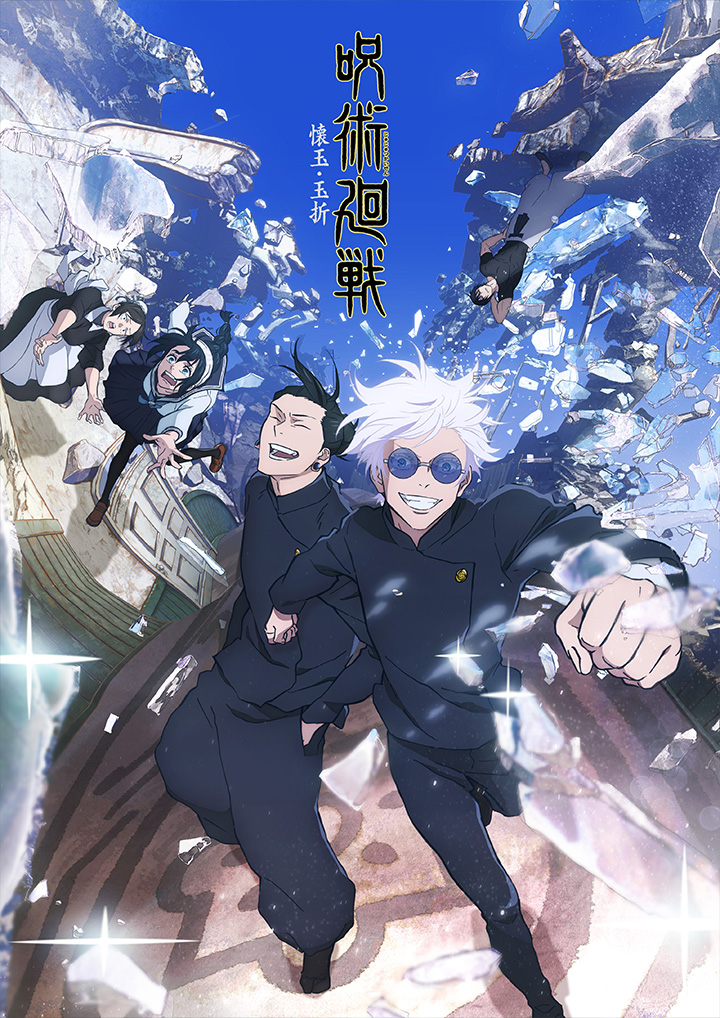
Hidden Inventory gives that confidence a different context by returning to his younger relationship with Geto. Putting the two beside each other as students changes the question from how powerful Gojo is to what that power means inside a friendship. The contrast is more revealing than another demonstration that he can overwhelm an opponent.
Their shared responsibility for Riko Amanai gives the friendship something more difficult to handle than school rivalry. Being talented does not settle how another person should be protected or what that protection costs. Gojo becomes more interesting when strength is part of a relationship he cannot simply control.
The darker turns need room to land
Shibuya replaces much of the early school structure with a spreading emergency. Divided locations and competing objectives make the situation feel unstable. You cannot assume that resolving one fight will make everyone else safe. For viewers who enjoy pressure and unpredictability, that escalation is a substantial part of the attraction.
The cost is that one upheaval can arrive before the previous one has had room to settle. Battles receive detailed rules and tactical turns; relationships sometimes have to make do with a brief reaction before the next emergency. If the cast’s everyday company was your main attraction, this imbalance can be more frustrating than the darkness itself.
When the rules become the drama
You do not need a glossary before starting. Cursed energy powers the supernatural side of the fighting; techniques give individual fighters different tools; domains can change the conditions of an encounter. The important detail is usually the particular restriction operating in the scene, rather than every term introduced elsewhere.
The Culling Game adds a more demanding layer of rules. That can make the series feel less immediately inviting than its opening. Names, conditions and objectives need to be held in mind before the next exchange makes complete sense. If you prefer instinctive action with little explanation, this is a real drawback.
Yet complicated rules can produce something more personal than complicated combat. Yuji’s encounter with Higuruma turns a domain into a courtroom. Questions of guilt and responsibility enter through the mechanism of the confrontation, instead of being postponed until the fighting ends. It is a strong use of the power system because an opponent’s terms force a different kind of response from Yuji.
The courtroom encounter gives a good reason to stay with the more demanding rules: they can make an opponent challenge Yuji’s judgment, not only his strength. Still, this is not the easiest series to follow while doing something else.
What the animation adds
MAPPA’s adaptation is especially effective when it makes a fighter’s next position matter. In the Hanami confrontation, establishing the distance between bodies gives Todo’s switches something to overturn. The surprise depends on understanding the situation a moment before it changes. Yuji’s direct, close-range approach gives those changes an immediate physical consequence.
The larger Shibuya confrontations offer a different pleasure: expressive movement and a scale that can make a street feel dangerously small. That freedom is exciting, but following who is where becomes harder when the image is crowded with motion and effects. Viewers who prefer every exchange to have clean geography may find the more expansive action less satisfying than the tightly coordinated partnerships.
How to start watching Jujutsu Kaisen
For a first watch, use release order: Season 1, Jujutsu Kaisen 0, Season 2, then Season 3. The film follows Yuta Okkotsu and belongs to the story; it is not a recap. Although it takes place earlier, watching it after the first season gives you a straightforward introduction to the setting before widening the cast.
The compilation films are not essential if you have watched the corresponding television material. Avoid jumping into Shibuya or the Culling Game simply because a striking clip brought you here. The introductions and relationships give those confrontations their stakes.
You can find the series on Crunchyroll. Check the seasons and film separately in your region; a listing for the television series does not guarantee that every related release is included.
The verdict
Choose Jujutsu Kaisen if you want supernatural battles with ideas behind them and a lead whose kindness can become a difficult burden. The partnerships, volatile opponents and changing rules make it more than a showcase for spectacular attacks.
Be more cautious if what you most want is a comforting ensemble adventure. The series builds affection, then spends it quickly, and some relationships deserve more attention than the expanding conflict allows. Its best fights make thought and feeling inseparable. Its less satisfying stretches leave feeling trying to catch up.
Questions before you start
Is Jujutsu Kaisen a good first anime?
It can be if you already enjoy dark supernatural action. The opening introduces its world without requiring manga knowledge. The later density of rules and the violence make it a less straightforward first recommendation for someone seeking a relaxed adventure.
Does the anime finish the manga’s story?
No. The anime adaptation has not finished the entire manga story. A season ending should not be mistaken for the conclusion of Yuji’s journey, and manga-ending discussions can spoil material the anime has not reached.
Is Jujutsu Kaisen suitable for children?
It is not a light school adventure. Graphic violence, disturbing transformations, death and sustained psychological pressure are important parts of the experience. Check the content rating for the version and region you plan to use.