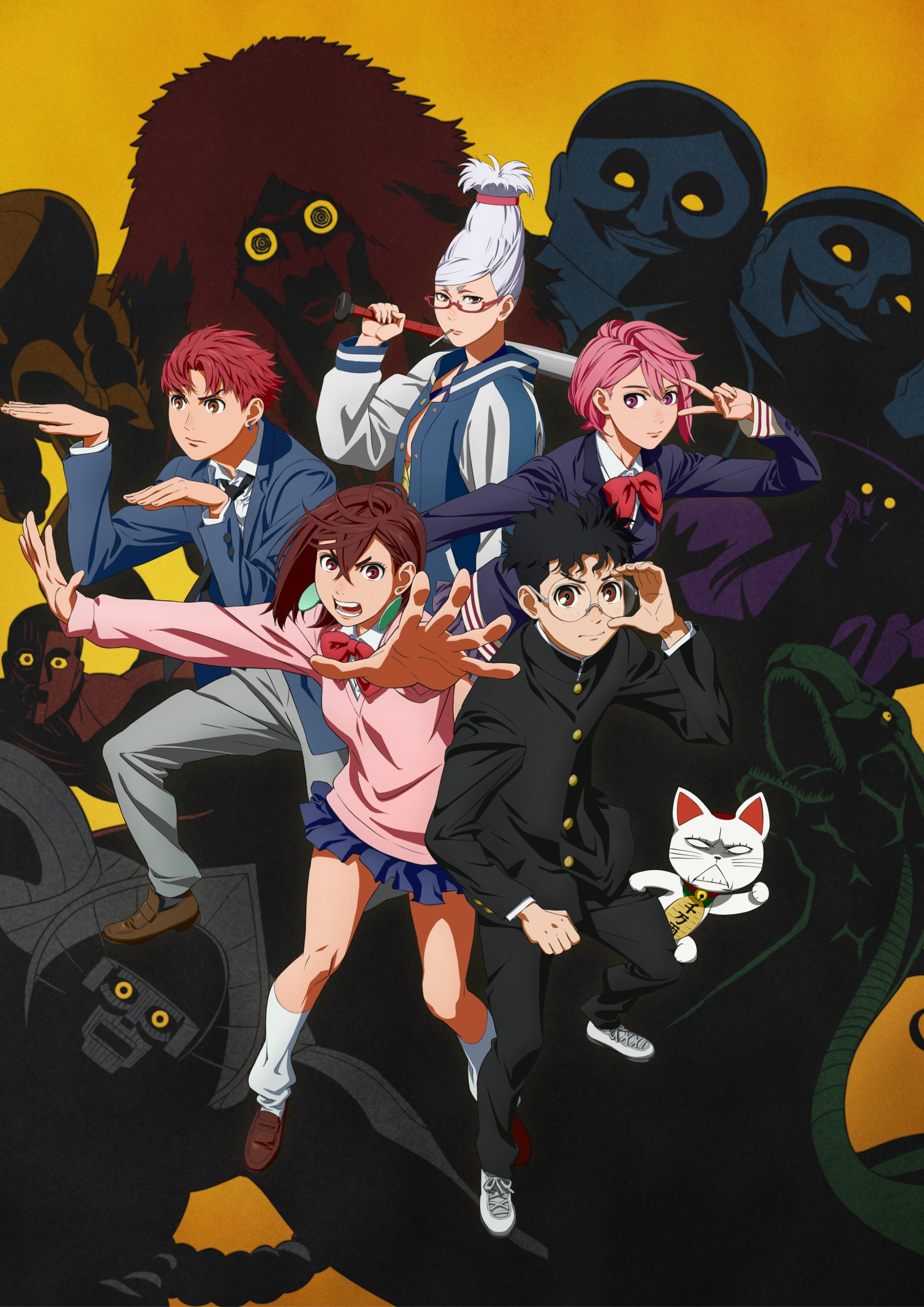
The strange part is not always the monster
Momo believes in ghosts but not aliens. Okarun believes in aliens but not ghosts. Their attempt to prove each other wrong sends them into the kind of trouble that should settle an argument, yet learning to talk comfortably afterward can still seem like the harder task.
The anime adaptation of Yukinobu Tatsu’s manga is worth watching for that unlikely partnership. Science SARU gives the ghosts and aliens a vivid, unruly presence, but Momo and Okarun keep the premise from wearing out its welcome. There is someone to root for when the novelty of the next monster fades.
Momo and Okarun make the premise worth following
Momo’s confidence is an advantage in a crisis, but it does not mean she is immune to embarrassment. Okarun’s shyness makes ordinary connection difficult, yet he is not simply waiting for someone else to give him a personality. His enthusiasm for the occult supplies both a point of friction and something he genuinely wants to share.
After the initial Turbo Granny conflict, their return to school makes an ordinary encounter feel unexpectedly difficult. Sharing a dangerous experience has brought them closer without settling how they should behave around each other. That uncertainty is a better romantic hook than having one lead simply announce that the other is special.
The romance is therefore a substantial reason to watch, not an unrelated reward tucked behind the fighting. Small misunderstandings can matter because the characters want the relationship to go well. Their attraction works best when it changes how they respond to each other, rather than when another interruption merely delays a conversation.
There are limits. Awkwardness is useful until it becomes a repeated way to keep a relationship from moving. If you want clear romantic milestones at a steady pace, Dandadan’s detours and expanding cast may frustrate you. It offers chemistry more reliably than quick resolution.
Action with an unusually playful imagination
The series is good at making a new threat feel unlike the previous one. Folklore and science fiction do not have to obey a single visual tradition, which leaves room for alarming bodies, absurd proportions and sudden changes of scale. A creature can be funny to look at and dangerous in the same scene.
That freedom gives the action variety. The question is not always which character has the greater reserve of power; it can be what an unfamiliar body can do, what a location allows or how two different abilities can work together. The premise encourages solutions as odd as the problems.
The drawback is that surprise can become its own obligation. When everything has to grow stranger, escalation risks replacing suspense. The most involving action remains connected to a person’s immediate concern, not only to how unusual the next creature or transformation will be.

The humor is a real matter of taste
Dandadan builds running jokes and practical problems around bodies and embarrassment. That can be funny when a frightening encounter collides with a teenager’s very specific concern. When the same joke keeps returning, though, it can crowd out the more appealing banter.
The opening also contains sexual threat, which is a different consideration from whether you enjoy a dirty joke. Later backstories bring distressing material of their own. Being comfortable with horror or gore does not necessarily make these scenes comfortable; the bright artwork should not be mistaken for a promise of light viewing.
When the monsters lead back to people
The Acrobatic Silky storyline demonstrates why the anime can leave a stronger impression than its outrageous surface suggests. A supernatural threat becomes connected to a human history. The shift asks you to reconsider what kind of story you are watching without requiring the characters to stop being vulnerable to danger.
The encounter stops being only a question of how to get rid of a dangerous presence. Knowing something about the person behind it changes what a satisfying resolution would mean. The danger remains, but victory is no longer the only feeling the scene has to accommodate.
It also creates a delicate tonal problem. A series that moves readily from a crude joke into grief must give the second feeling enough space. Sometimes the speed is exhilarating; sometimes the return to comedy can feel abrupt. Being moved by one sequence does not mean every transition is equally well judged.
The later material around Jiji and the Evil Eye extends the conflict between treating an entity as a danger and responding to the suffering associated with it. Compassion does not make the practical problem disappear. That is a useful complication for a story whose characters could otherwise solve everything by defeating the next opponent.
The wider cast brings warmth, and more interruptions
Seiko gives the younger characters someone experienced to turn to without turning the household into a solemn command centre. Her irreverence helps the supernatural problems feel like things a family has to deal with, not just assignments handed to a team of fighters.
Aira’s confidence and Jiji’s arrival create a different social balance. Momo and Okarun have to respond to people who do not conveniently exist just to advance their relationship. Help, rivalry and jealousy can pull in different directions. The resulting group is lively company, although viewers mainly waiting for the central romance may find the diversions frustrating.
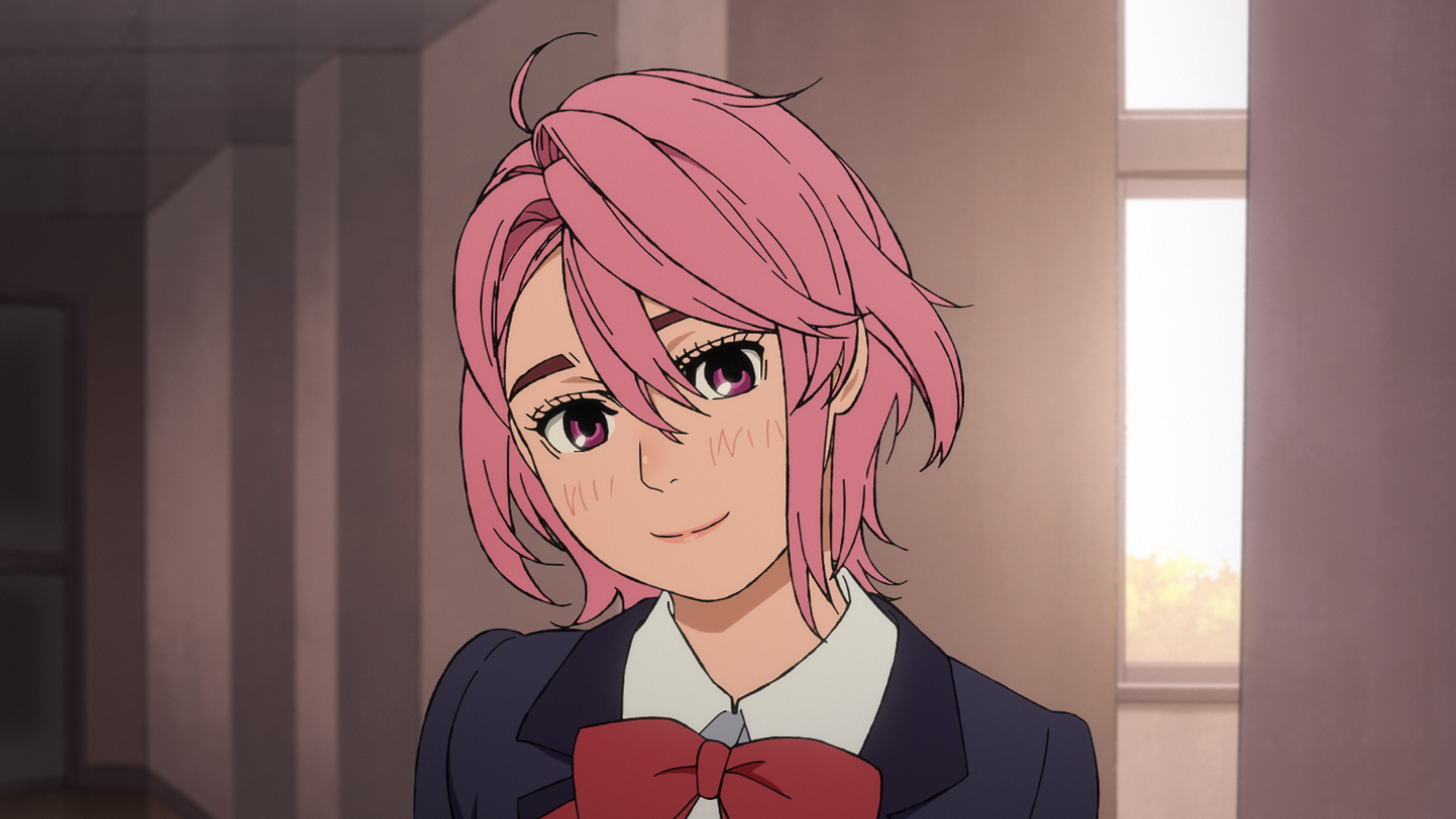
Why the visual style matters beyond looking impressive
Color does more than make Dandadan bright. The red surrounding Turbo Granny and the colder blue of the Serpo encounters separate threats before every supernatural rule is clear. A familiar setting can suddenly feel as though it belongs to the thing inside it. The shift is immediate enough to create unease without a character explaining the mood.
Movement has a similar sense of buildup. Rapid cuts prepare a larger reveal, so the impact comes partly from the change in tempo rather than simply from adding more detail. The action gains room to surprise you even when the creature itself has already appeared.
That approach is particularly inviting if you enjoy animation with a strong visual personality. It is less relaxing than a show that keeps its palette and cutting rhythm steady. The busiest passages can be tiring, but the imagery has a purpose beyond decorating the fights: it changes how secure the characters’ surroundings feel.
Where to start watching Dandadan
Start with the opening of the first season and continue in order. The second season follows the existing story; it is not a replacement introduction. Beginning with a later emotional highlight would reveal too much while leaving out the relationships that give it context.
Look for the series under DAN DA DAN on Crunchyroll. Streaming availability and language options vary by country; the spaced title is the same show.
The anime and manga are different ways into the same story, not prerequisites for one another. You can understand the leads and their supernatural problems through the adaptation. Be careful with manga discussions if you want to avoid learning where a relationship or later arc goes.
The animated story is not finished. Expect ongoing relationships and plot threads rather than a completely closed romantic or supernatural adventure. That does not prevent individual arcs from offering satisfaction, but it matters if you only want to begin something with a definitive ending available.
The verdict
Dandadan works best when its wildness gives its characters a new way to be awkward, brave or unexpectedly kind. Momo and Okarun make the supernatural action worth more than its novelty, and the wider cast supplies an appealingly unruly sense of company.
Choose it for a romance that has to share space with something much stranger, rather than a tidy love story interrupted by occasional fights. The unresolved attraction keeps the leads interesting; their willingness to care about others gives the adventure somewhere further to go.
Questions before you start
Is Dandadan mainly a romance or an action anime?
It combines both. Momo and Okarun’s connection is central, but the story spends substantial time on supernatural encounters and the wider group. It is not a straight romance with occasional battles, nor an action show with an irrelevant romantic subplot.
Is Dandadan a horror anime?
Horror is an important ingredient rather than the only mode. Frightening imagery and distressing material sit beside comedy, action and romantic awkwardness. Someone seeking uninterrupted dread will get a much more changeable experience.
Are Dandadan and DAN DA DAN different shows?
No. They are different stylings of the same anime title. Catalogues may space the name as DAN DA DAN, while searches and discussion commonly use Dandadan.