The main difference between xianxia and wuxia is the kind of journey at the center. Wuxia usually follows martial heroes through conflicts of loyalty, justice and reputation. Xianxia extends the adventure into immortal cultivation, supernatural realms and the attempt to transcend mortal limits. Both can feature extraordinary abilities; the distinction is not simply realistic fighting versus magic.
Xianxia vs wuxia: the differences at a glance
| What changes | Wuxia | Xianxia |
|---|---|---|
| Main concern | Martial heroes and their choices within a human social world | Cultivation and journeys beyond ordinary mortal limits |
| Typical conflicts | Honor, revenge, obligations and rival martial lineages | Survival, advancement, spiritual ambition and supernatural powers |
| Scale | Often keeps people, schools and political relationships central | May expand into immortal realms and a much wider cosmology |
| Power | Exceptional martial skill and internal energy can exceed realism | Cultivation is closely tied to supernatural transformation |
| Reading appeal | The consequences of a promise, betrayal or duel | Discovery, transformation and a growing sense of possibility |
Those are tendencies, not a checklist every author must obey. A xianxia story can be intimate and relationship-led; a wuxia adventure can be extravagant. The useful question is what drives the conflict, not how high a character jumps in one panel.
What does wuxia mean?
Wuxia is written 武侠 in simplified Chinese and 武俠 in traditional Chinese. The term joins the idea of martial skill with the figure of the xia, a chivalrous or heroic person. In a story, being formidable and acting honorably are not necessarily the same thing. That tension gives a great fighter something more difficult to solve than winning the next duel.
The martial community is often called wulin. Jianghu is a related, broader idea associated with a world beyond ordinary official life, including wanderers and outsiders as well as fighters. You do not need to memorize every term before starting. Follow who taught a character, whom they owe and what a public defeat would cost them.
Does wuxia have magic or cultivation?
It can have abilities that no real martial artist could reproduce. Internal energy, astonishing movement and powerful techniques are compatible with wuxia. Calling it “realistic kung fu” can set the wrong expectation before the first fight.
Cultivation is also not an automatic genre switch. Training energy and refining a technique can serve a story about martial rivalry. The presence of qi alone does not establish that the hero is pursuing immortality or entering a different plane of existence.
What does xianxia mean?
Xianxia, written 仙侠 or 仙俠, brings immortals or transcendent beings into the martial-hero tradition. Daoist ideas and Chinese mythology are important influences, but each author can reshape them into a fictional world with its own rules.
The ambition can become more than defeating the strongest fighter nearby. Cultivation may change lifespan, abilities or the realms a character can enter. A mountain that once seemed like the edge of the world can become the entrance to a much larger adventure.
Where does xuanhuan fit?
Xuanhuan, 玄幻, is a broad Chinese fantasy label. Such stories can combine cultivation with invented cosmologies, unfamiliar creatures or influences that do not sit neatly inside the usual wuxia–xianxia comparison. It is not the next power level after xianxia.
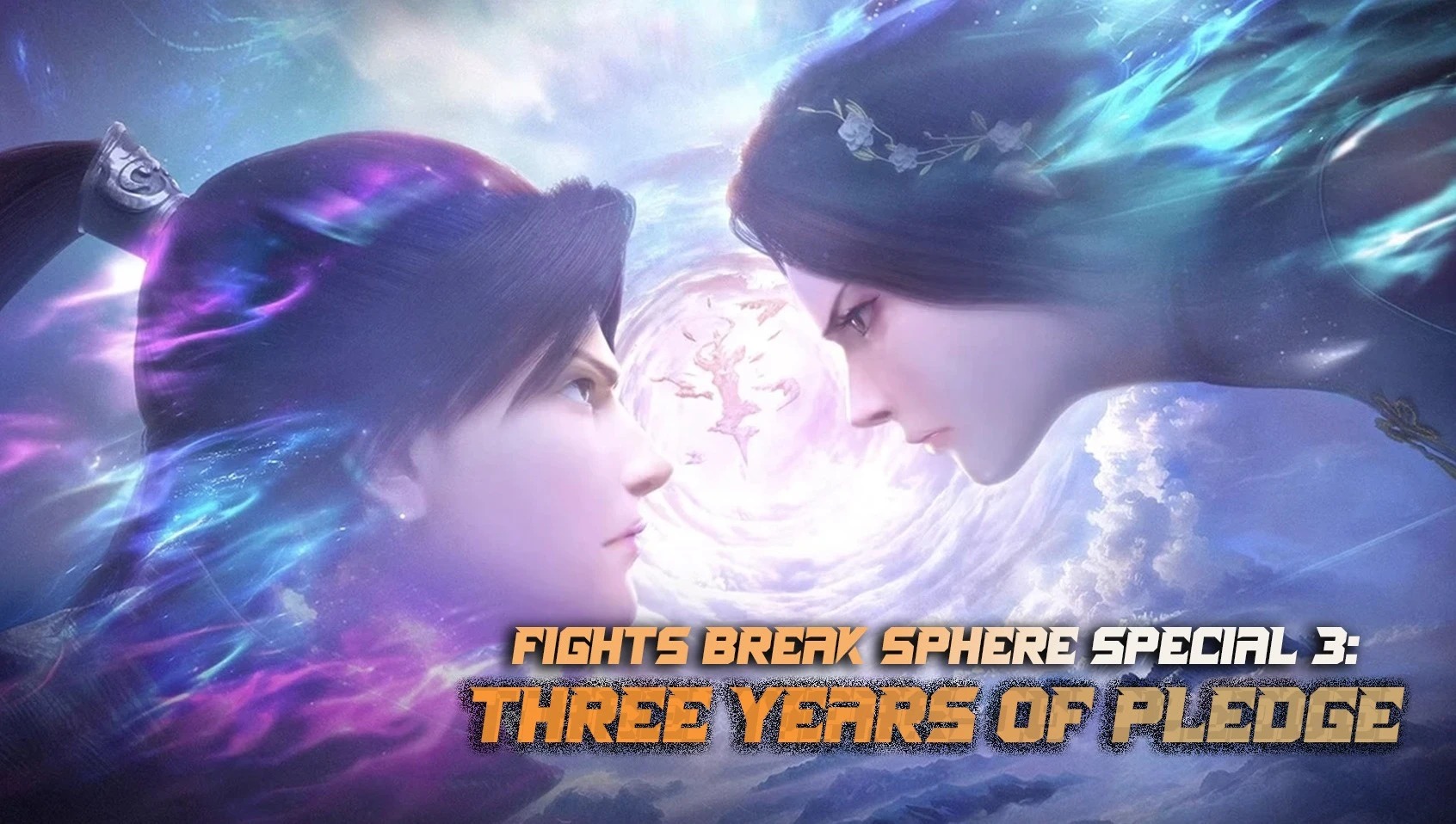
Wuxiaworld’s introduction to xuanhuan places Battle Through the Heavens in this category. Xiao Yan advances through an invented Dou Qi system shaped by alchemy and unusual flames. Cultivation is central, but that alone does not make a work xianxia.
Three examples that make the distinction clearer
Wuxia: Legends of the Condor Heroes
Jin Yong’s novel sequence, beginning in English with A Hero Born, puts Guo Jing into a martial world tied to Chinese history. Teachers, allegiances and the difficult business of becoming a hero matter alongside kung fu. It is a useful starting example of wuxia as a human adventure with extraordinary martial ability, rather than a promise of mundane realism.
Xianxia: A Record of a Mortal’s Journey to Immortality
Wang Yu’s novel follows Han Li, an ordinary boy who enters a sect and must find his way toward immortality. The premise makes the genre’s attraction easy to grasp: someone insignificant tries to survive in a world of cultivators and become more than his beginnings would suggest.
Xuanhuan: Battle Through the Heavens
Battle Through the Heavens suits readers who want training, rivalries and increasingly elaborate powers in a fantasy world. Choose the novel for prose, the manhua for comics or the donghua for animation; those are adaptations, not competing genre labels.
Which should you read first?
- For teachers, rivals and promises that put a hero under pressure: try wuxia, starting with a martial adventure such as A Hero Born.
- For a long ascent into supernatural possibilities: try xianxia, with A Record of a Mortal’s Journey to Immortality as one example.
- For cultivation within a more freely invented fantasy world: explore xuanhuan rather than assuming it means the same thing as xianxia.
If you specifically want comics rather than novels, our cultivation manhua recommendations offer a separate set of reading options. Check the edition of any title you choose: a novel, its manhua and its donghua share a story name, not a reading format.
Is murim the same as wuxia?
Not exactly. Murim is the Korean term for the martial community, corresponding to wulin, while wuxia names a Chinese storytelling tradition. A Korean murim manhwa can use related ideas about sects, lineages and martial rivalry without becoming a Chinese comic. The setting, genre and publishing tradition describe different aspects of a work.
Our guide to murim explains how sects, clans and the martial community work in Korean comics. If the confusing word is manhua, the manhua definition and format guide separates a comic’s origin from its genre.