Cultivation manhua are Chinese comics about characters developing extraordinary martial or spiritual abilities through training, energy refinement and breakthroughs into higher realms of power. Some pursue immortality; others want to survive, protect people or recover a lost position. “Cultivation” describes the fictional process of developing those abilities. “Manhua” identifies the work as a Chinese comic.
You do not need to understand every realm before opening chapter one. Start with three questions: what can the main character do now, what are they trying to learn, and what is stopping them? Those questions make a crowded page of unfamiliar terms much easier to follow.
What does cultivation mean in these stories?
Cultivation can change the body doing the training, not just improve a punch. A character might refine spiritual energy, withstand injuries that once would have killed them, or gain an ability unavailable at their old level. The author decides those limits. These are fictional power systems, not practical instructions for gaining supernatural abilities.
The useful distinction is between practice and transformation. Learning a sword move adds a technique. Crossing a major cultivation threshold may change the character’s basic capabilities. A story can make both important: a higher realm gives someone an advantage, but poor judgment can still put that advantage to waste.
The terms you need first
Here is a compact vocabulary for reading, not a universal rulebook. Let each comic explain how a term works in its own world.
| Term | What to understand while reading |
|---|---|
| Qi | Energy used in many of these fictional systems. Translations may say chi or spiritual energy. |
| Cultivation base | A character’s accumulated cultivation or level of attainment. |
| Realm or stage | A named threshold in that particular story’s power system. |
| Breakthrough | Advancing past a limit rather than simply practicing within it. |
| Bottleneck | A point at which progress stalls. |
| Dantian | An internal center associated with storing or refining energy in many stories. |
| Meridians | Channels through which energy is described as circulating. |
| Sect | A teaching organization or martial community. |
| Clan | A family-based group, often with inherited techniques and obligations. |
You can usually leave the rest until it matters. If a chapter introduces a rare pill, the immediate question is what problem it solves and who else wants it. Its complete ingredient list may not matter to the scene at all.
Are cultivation realms the same in every manhua?
No. Some stories use familiar names such as Qi Refining, Foundation Establishment and Golden Core. Others build a different ladder. Even when two comics share a realm name, that does not establish equal strength, identical abilities or the same number of stages.
Wuxiaworld’s introduction to xianxia discusses how recognizable cultivation sequences developed within the genre. Familiarity is helpful, but it is not a license to paste one story’s chart onto another.
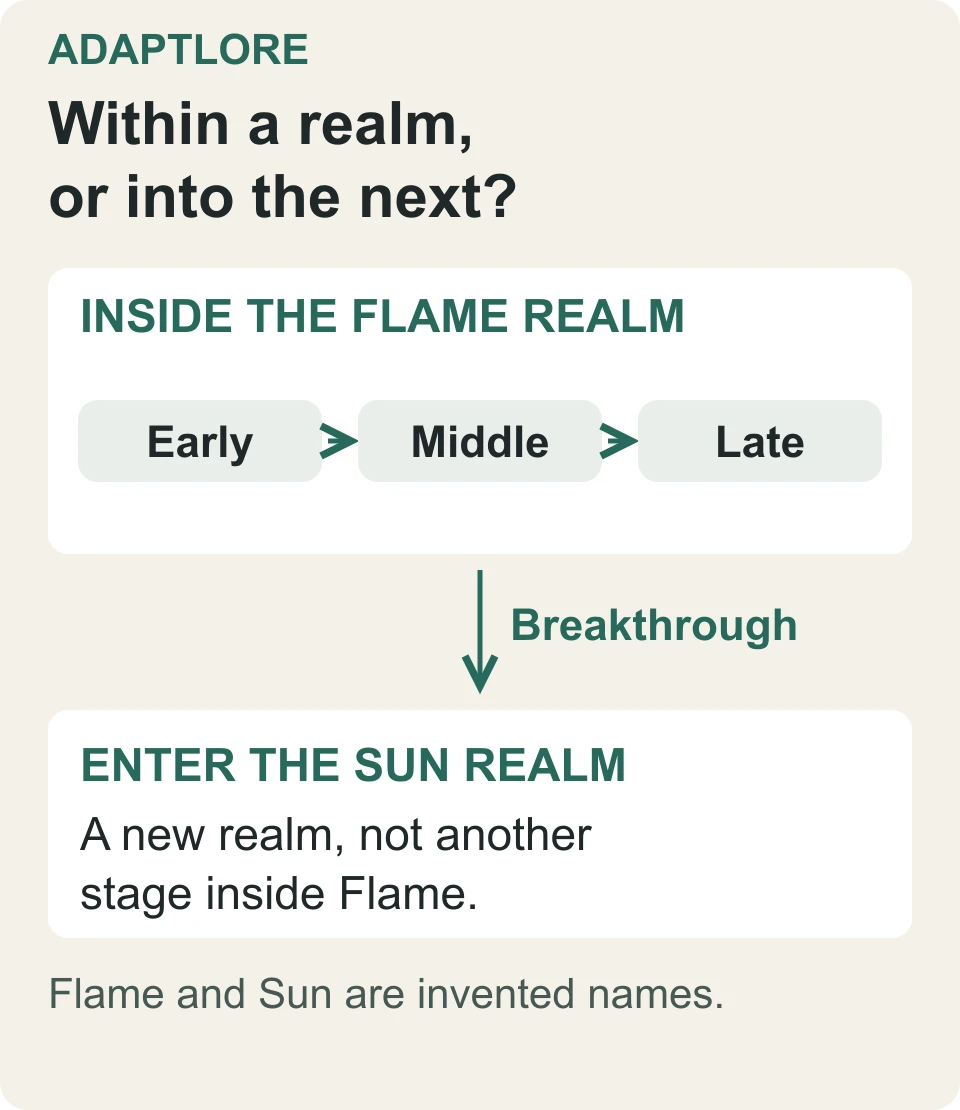
There is also a difference between a major realm and a step inside it. In the diagram, Flame and Sun are invented realm names. Early, middle and late Flame all belong to the same realm. Moving from late Flame into Sun crosses the major boundary. Treat “half-step” language with similar care: being close to a threshold does not necessarily mean the character has crossed it.
When ranks get confusing, track the hero’s current realm and the next one the story mentions. A complete list of future realms can spoil the scale of the journey without making the present scene any clearer.
How to read a cultivation scene without memorizing the ladder
Suppose a young disciple needs a rare pill before attempting a breakthrough, and a rival wants the same pill. You already have enough to follow the scene: the disciple has reached a limit, the resource might help, and access to it is contested. You do not need the names of the next twenty realms.
Then separate three kinds of advantage. A higher realm concerns cultivation attainment. A better sword or pill is a resource. A well-practiced technique is a skill. A story may connect them, but obtaining a rare sword does not automatically mean its owner has entered a higher realm.
This also explains why sects and clans matter. They can organize access to instruction, resources and protection. A dispute about admission or rank inside a sect may therefore affect how a character can improve, not just whether an elder is impressed. The specific rules still belong to the individual story.
Cultivation, xianxia, wuxia and murim are not interchangeable
Cultivation is a process that can appear in different kinds of fantasy. Xianxia is particularly associated with immortal cultivation and supernatural transformation. Wuxia focuses on martial heroes and their social world, although its feats can still be far beyond realism. Xuanhuan is a broader Chinese fantasy label and can use a more invented mix of powers and settings.
Murim is the Korean term readers often encounter for the martial world. A murim manhwa can include internal energy, sects and training without being a Chinese manhua. Similar ingredients do not erase the distinction between the comics or their storytelling traditions. Our xianxia vs wuxia guide goes further into the genre differences.
Likewise, not all manhua are cultivation stories. Chinese comics also include romance, comedy, mystery and everyday drama. If you are still sorting out the medium itself, start with what manhua means.
Three examples that show different entry points
Martial Peak: the long climb
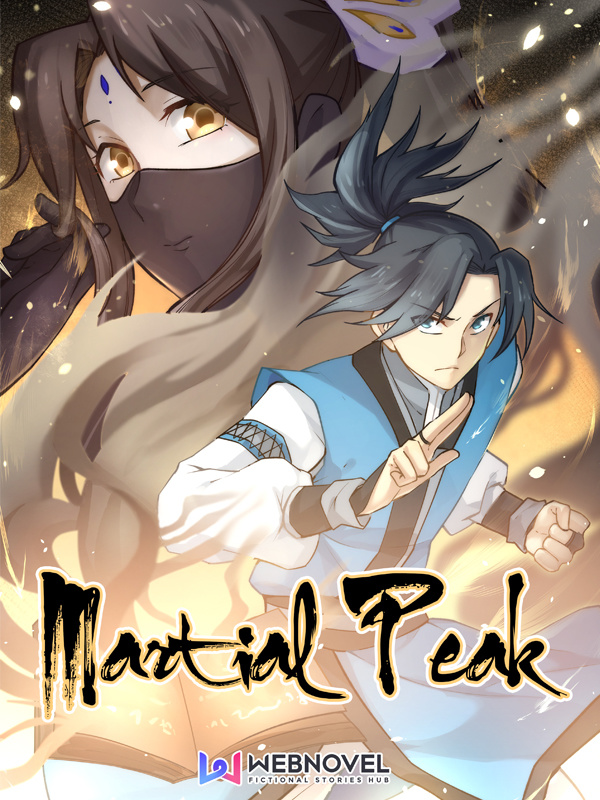
Yang Kai begins in a lowly position within a martial sect, and a mysterious book changes his prospects. That makes Martial Peak on WebNovel an easy example of the climb from limited standing toward greater possibilities.
Yang Kai’s low standing makes the early training about more than strength: progress offers a way out of being dismissed by the people around him. The book matters because it changes those prospects, not because you already know the final realm. Expect a long climb; the Martial Peak review covers the commitment that comes with it.
Tales of Demons and Gods: knowledge changes the second attempt
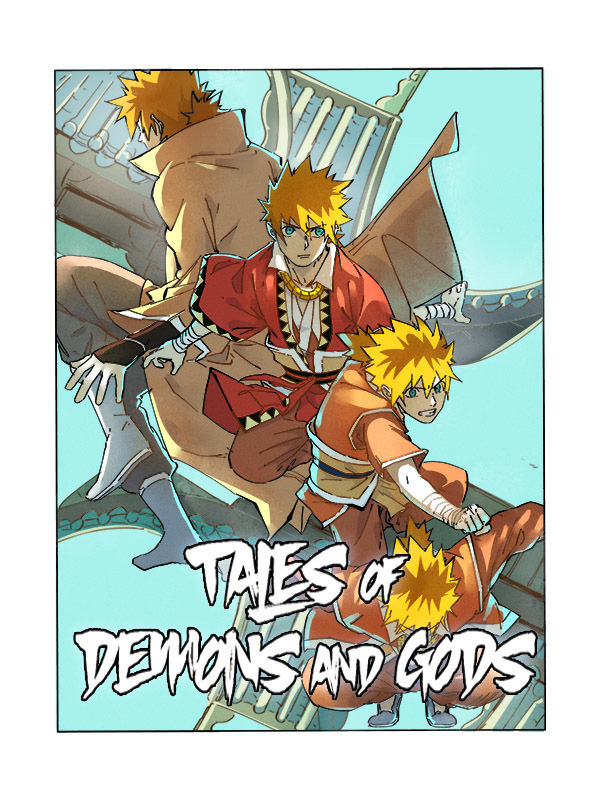
Tales of Demons and Gods on INKR combines martial training with a protagonist using knowledge from a previous life to protect people from a disastrous future. It shows how cultivation can sit alongside a second-chance plot rather than replacing it.
That combination gives you two separate forms of progress: the protagonist can become more capable, and his choices can alter a future he remembers. Knowing what is coming is an information advantage, not itself a cultivation realm. This is the entry point if changing the fate of people and a place interests you as much as the power climb.
Battle Through the Heavens: rebuilding a place in the world
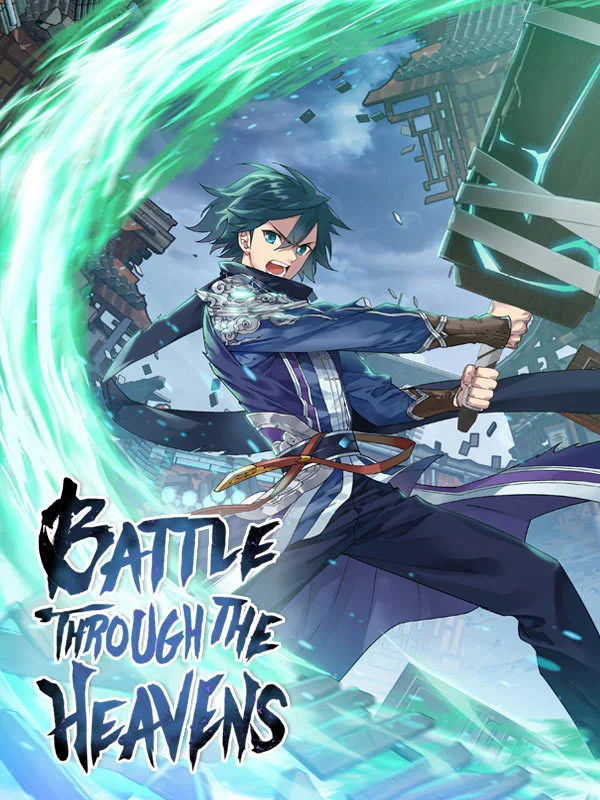
Battle Through the Heavens on WebNovel follows Xiao Yan’s effort to rise in a world organized around Combat Qi after his prospects and standing have fallen. The terminology is a useful reminder that a comic does not have to use a generic Qi Refining–to–Golden Core ladder to belong in the cultivation conversation.
Xiao Yan’s appeal is the comeback. The loss of standing makes even an early improvement consequential: he needs a future people have stopped expecting him to have. That gives the training a different emotional starting point from a newcomer who has never been respected in the first place.
Choose the comic edition when you want manhua. Its novel and animated adaptation are different versions, not extra chapters to insert into the comic. Chapter numbers do not provide a reliable handoff between those formats.
How to pick your first cultivation manhua
Read an official opening sample before committing to a huge chapter count. Notice whether the comic explains each immediate challenge clearly. A story can have hundreds of realm names and still be easy to read if you understand the conflict in front of you.
Then check what survives between fights. Do you care about a friendship, a promise, a rivalry or a place the hero wants to protect? Progress is easier to stay invested in when it changes something besides the number attached to the protagonist.
If you enjoy the premise but dislike constant humiliation-and-revenge scenes, that does not mean cultivation is the wrong genre for you. It may simply be the wrong tone. Our cultivation manhua recommendations offer a broader set of starting points.
Is cultivation the same as reincarnation or leveling up?
No. Reincarnation or regression gives a character another life or an earlier starting point. Cultivation describes how abilities develop within the world. Tales of Demons and Gods combines a second chance with cultivation, but the two devices do different jobs.
Likewise, cultivation can have ranks without visible game menus. A character does not need a quest window, experience counter or player account for the story to show advancement. If you enjoy one kind of progression fiction, the other may appeal, but they are not identical systems.
Do all cultivation stories end in immortality?
No. Immortality can be a major aspiration, but cultivation can also serve survival, revenge, protection or personal discovery. Read the goal established by the individual story instead of assuming every protagonist wants the same final reward.
Where can you read cultivation manhua in English?
Look for Martial Peak and Battle Through the Heavens on WebNovel, and Tales of Demons and Gods on INKR. Check the edition, language and chapter access before paying; a free opening does not mean the whole series is free. A platform’s visible chapter count may also differ from another edition’s numbering. Start at that comic’s beginning and let its own rules introduce themselves.