
The best psychological thriller manhwa do not simply hide a killer until the final chapter. They make an ordinary room feel unsafe, turn a trusted relationship into a source of pressure and give every choice a cost. Bastard, PIGPEN and Chasing Tails are the clearest places to start, but they create tension in very different ways.
This guide stays deliberately narrow. Every main pick is a Korean comic with an official English release, and each one earns its place through sustained psychological pressure rather than gore alone. The descriptions avoid major reveals, but the content notes are worth reading if domestic abuse, bullying, suicide, confinement or graphic violence are difficult subjects for you.
Psychological thriller manhwa at a glance
| Title | What creates the tension | Status | Best for |
|---|---|---|---|
| Bastard | Coercive family control and moral risk | Completed | The best first read |
| PIGPEN | Amnesia, unreliable clues and isolation | Completed | Readers who like twists |
| Chasing Tails | Conflicting testimony after a locked-room disaster | Completed | Methodical mystery fans |
| Hell Is Other People | Paranoia inside an inescapable living space | Completed | Claustrophobic slow burns |
| Pyramid Game | Social ranking, collective cruelty and strategy | Completed | School politics |
| Sweet Home | Body horror tied to desire and despair | Completed | Character-led survival horror |
| Surviving Romance | Repeating catastrophe and collapsing certainty | Completed | A female-led genre reversal |
| Shotgun Boy | Bullying, panic and creature survival | Completed | Fast, violent suspense |
| Rotten | Supernatural clues inside a crime conspiracy | Completed | Horror-mystery readers |
| The Horizon | Trauma and uncertainty after social collapse | Completed | A short, bleak emotional read |
How we chose these series
Popularity opened the door; it did not settle the list. We looked for stories in which the pressure changes how characters think and behave. A violent antagonist is not enough. The setting, information gap or social system must repeatedly force the cast—and the reader—to reassess what is safe, true or morally possible.
Pacing also mattered. A good thriller can slow down, but a slow chapter should deepen suspicion, expose a vulnerability or change the balance of power. We favored completed series because they can be judged as full stories rather than promising openings. Finally, every recommendation needed a clear reader fit. The point is not to crown one universal winner; it is to help you choose the kind of tension you actually enjoy.
The best psychological thriller manhwa to read
Bastard — the best place to start
Jin Seon lives with a serial-killer father who expects his help. That premise gives Bastard an immediate hook, but the series lasts because it understands coercive control. Jin is not deciding between an obviously good and bad path from a safe distance. He has grown up inside his father's rules, understands the consequences of resistance and has almost no trustworthy adult protection.
The art often strips a scene down to a face, a doorway or the space between two people. That economy keeps the danger personal. Romance gives Jin a reason to imagine another life, yet it never erases the fear or turns recovery into an instant personality change. Some secondary characters are more functional than complex, but the central relationship remains brutally clear from beginning to end.
Read Bastard if you want a completed thriller with little setup, strong momentum and a real moral conflict. Skip it for now if abuse inside a parent-child relationship is too close to home.
PIGPEN — best for an unreliable mystery
A man wakes on an idyllic beach without his memories. The nearby family appears welcoming, but their behavior is just wrong enough to make every meal and conversation uncomfortable. PIGPEN builds its mystery from missing context: the protagonist cannot verify his own identity, and the reader cannot decide which clues deserve trust.
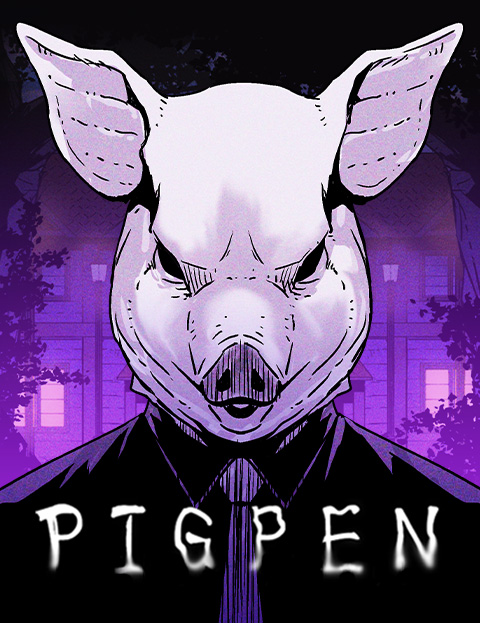
Its best trick is not any single reveal. It is the way each answer changes the meaning of earlier scenes without making the entire experience feel arbitrary. The middle can feel intentionally disorienting, and readers who need a stable point of view may find that tiring. If you enjoy reconstructing a story after every new piece of evidence, however, few completed thriller webtoons are this satisfying.
Chasing Tails — best psychological crime mystery
Nine students are trapped beneath a collapsed building. Six survive, four can speak, and the bodies left behind suggest that the disaster became a crime scene. Chasing Tails treats that setup as an investigation rather than a body-count spectacle. Testimony, trauma, physical evidence and professional interpretation rarely line up neatly.
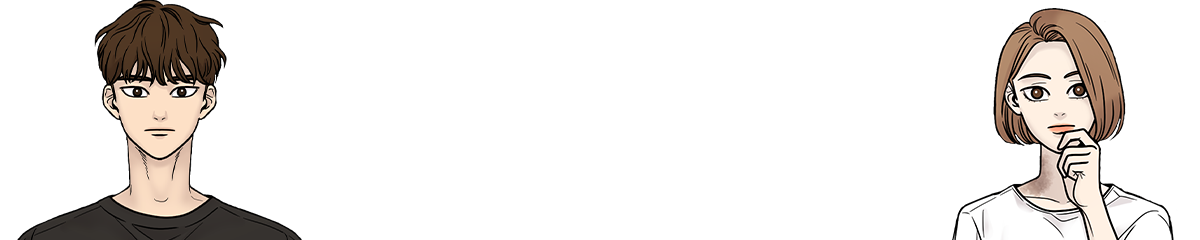
The series asks for patience. Interviews and deductions occupy more space than action, and its large cast takes time to separate in your head. That slower method is also the appeal: a detail matters because it alters a plausible theory, not because the story flashes a neon sign over it. Choose this when you want a completed locked-room mystery that respects the work of investigating.
Hell Is Other People — best claustrophobic slow burn
Jongu moves to Seoul and rents the room he can afford in a deteriorating residence. The building is cramped, the communal facilities offer little privacy and the other tenants keep crossing social boundaries. Hell Is Other People finds horror in the practical difficulty of leaving: money is short, work is unstable and every complaint can be dismissed as oversensitivity.
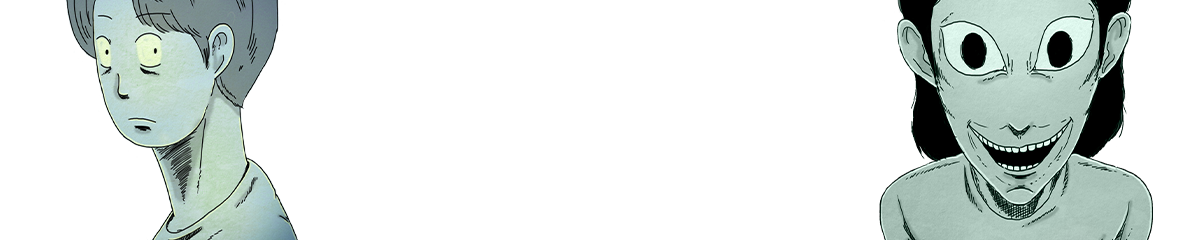
This is a pressure-cooker story rather than a puzzle box. Its repetition is purposeful: the same hallway and faces become worse as Jongu's certainty erodes. Readers looking for frequent plot turns may find it slow. Readers who understand the specific dread of sharing space with people they cannot trust will find it uncomfortably precise.
Pyramid Game — best for social strategy
At Love High, a monthly popularity vote assigns every student a rank. The lowest-ranked girl becomes an accepted target. Transfer student Suji enters at the bottom, then begins studying the incentives that keep the system alive. The danger here is collective: a few people design the cruelty, but many more preserve it because compliance feels safer.

Suji's controlled, tactical perspective makes the counterplay fun to follow. It can also create emotional distance; the series often works through moves, alliances and leverage before raw feeling. Read it if you want female characters with competing agendas and a thriller about dismantling rules, not merely defeating one bully.
Sweet Home — best character-led survival horror
After a family tragedy, reclusive teenager Hyun moves into an apartment building just as people begin turning into monsters. Sweet Home uses a large survival-horror premise, but its psychological engine is desire. Transformation is not random background infection; it reflects what characters want, fear and believe they have lost.
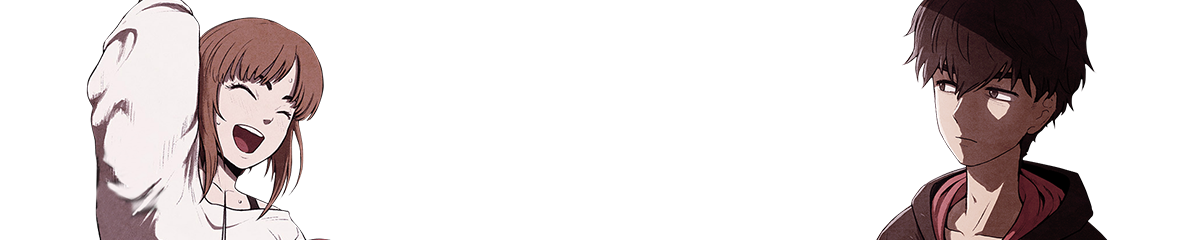
The ensemble is uneven and the escalating action sometimes crowds out the quieter dread of the opening. Still, the series gives enough attention to shame, isolation and chosen responsibility to feel more human than a simple monster gauntlet. It is the best pick here when you want psychological themes without giving up creature design and physical stakes.
Surviving Romance — best genre reversal
Chaerin wakes inside a romance novel and expects the plot to reward her knowledge. Instead, a catastrophic school day repeats and the supposed background characters become essential to survival. The series uses familiar isekai certainty as a trap: knowing the original story is comforting only until reality refuses to follow it.

Its emotional center is a group of girls learning to see one another as people rather than roles. Repetition occasionally slows the middle, and the horror is less grounded than Bastard or Chasing Tails. Choose it for a female-led thriller that pairs survival mechanics with an argument about attention, friendship and narrative control.
Shotgun Boy — best for fast, violent suspense
Bullied student Gyuhwan finds a shotgun while running through the woods, then returns to a school under attack by creatures. The opening deliberately puts rage and opportunity next to each other before redirecting the immediate threat. That makes Gyuhwan's choices more interesting than the title's pulpy promise suggests.
Shotgun Boy moves faster and hits harder than the more cerebral picks above. It also belongs to the same story world as Sweet Home, although it can be approached on its own. The trade-off is subtlety: action and mythology sometimes overtake the social pressure that makes the first stretch so sharp. Read it when you want psychological friction inside a brisk survival thriller.
Rotten — best supernatural crime hybrid
Jaeshin sees dead people, while police officer Han can literally smell evil. Their search for a missing friend leads into a network of concealment and violence. Rotten sounds like a high-concept supernatural mystery, but its strongest scenes come from the sickening sense that a community has learned how to look away.
The unusual abilities give the investigation momentum without solving every problem. Its tonal jumps and compressed plotting can make it feel rougher than Chasing Tails. Even so, it is a worthwhile completed read for anyone who wants ghosts, crime and grotesque clues in the same story.
The Horizon — best short, emotionally devastating read
A boy and a girl walk through a world emptied by catastrophe. The Horizon is closer to post-apocalyptic psychological drama than a conventional mystery, but it belongs here because uncertainty and trauma shape every encounter. Its spare pages make silence do work that a more talkative series would hand to exposition.
This is the shortest commitment on the list and perhaps the heaviest. Do not choose it for clever clues or a villain to outmaneuver. Choose it when you want an austere story about what fear, grief and small acts of care mean after ordinary social rules disappear.
Choose by the kind of tension you want
- For a first psychological thriller manhwa: Bastard.
- For twists and unreliable memory: PIGPEN.
- For evidence, interviews and a locked-room case: Chasing Tails.
- For claustrophobia and paranoia: Hell Is Other People.
- For social strategy and female rivalry: Pyramid Game.
- For monsters with a psychological theme: Sweet Home.
- For a female-led time-loop survival story: Surviving Romance.
- For fast action and horror: Shotgun Boy.
- For supernatural crime: Rotten.
- For a short, bleak emotional experience: The Horizon.
If you are still undecided, start with the shortest description that made you uncomfortable in an interesting way. Psychological thrillers work best when their central pressure already feels personal to the reader.
Where to read these manhwa legally
All ten main selections have official English series pages on WEBTOON. Availability rules can differ between the website and app, and completed titles may use Daily Pass or another access system. Check the current title page in your region before assuming every episode is immediately free.
Search by the exact English title and creator rather than using an unofficial mirror. That is especially useful for common names such as Rotten and The Horizon. The official source links attached below were checked on 25 August 2026.
Frequently asked questions
What is the best psychological thriller manhwa for beginners?
Bastard is the most reliable starting point. Its premise is clear within the opening chapters, the central relationship stays focused and the story is completed. Readers who prefer a mystery over domestic horror should begin with PIGPEN instead.
Which psychological thriller manhwa are completed?
Every main recommendation in this guide is listed as completed on its official English WEBTOON page as of 25 August 2026. Access may still be serialized through Daily Pass or app-specific rules.
Which series is best if I do not like gore?
Pyramid Game focuses more on social coercion than graphic horror, although it depicts bullying and abuse. Chasing Tails contains disturbing crime material but spends more time on testimony and deduction. Sweet Home, Shotgun Boy and Rotten are stronger choices for readers comfortable with body horror or explicit violence.
Are these manhwa or manga?
They are Korean comics, so manhwa is the correct origin label. WEBTOON describes the English publication format and platform; it does not change the works into Japanese manga.
Is Sweet Home connected to Shotgun Boy?
Yes. They share a story world, and Shotgun Boy adds context that connects to Sweet Home. You can still understand Shotgun Boy's immediate plot without reading Sweet Home first, but publication order gives the larger connection more impact.
Sources and verification
- WEBTOON — primary source
Official platform · accessed 25 Aug 2026