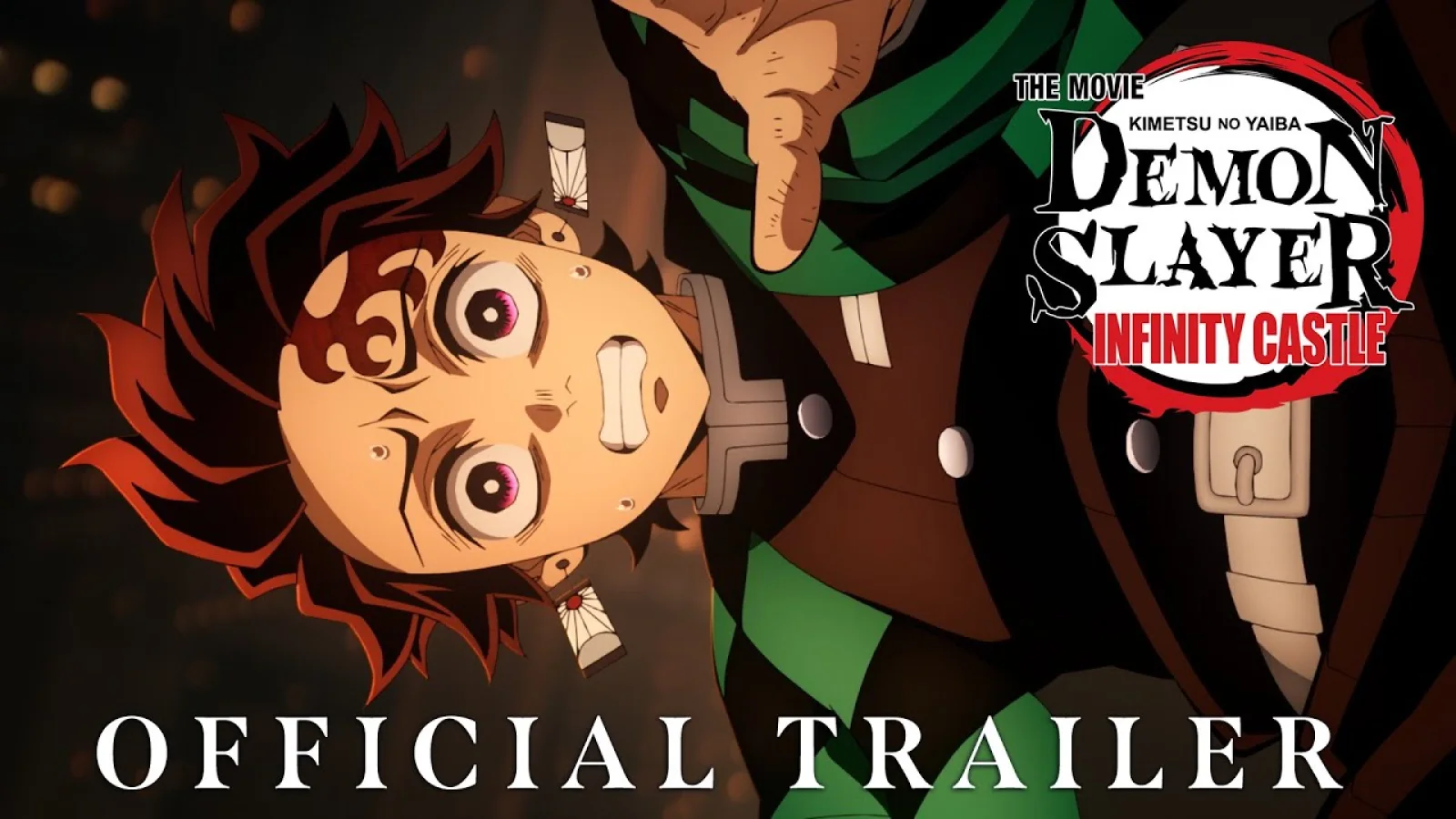
Verdict
Infinity Castle is not simply a case of great animation covering a weak story. Its emotional history is the story. The problem is placement: the film often asks viewers to leave the present at the exact moment a battle reaches full pressure. Some detours deepen characters who previously seemed one-dimensional. Others make a carefully built surge of momentum feel suspended.
For viewers already invested in Tanjiro, the Hashira and the Upper Rank demons, the exchange is mostly worthwhile. The castle feels hostile rather than decorative, action remains legible beneath the effects and sound gives decisive movements physical force.
Demon Slayer: Infinity Castle at a glance
| Detail | Verified information |
|---|---|
| Full title | Demon Slayer: Kimetsu no Yaiba — The Movie: Infinity Castle |
| Format | First feature film in an officially announced trilogy |
| Director | Haruo Sotozaki |
| Animation studio | ufotable |
| Original story | Koyoharu Gotoge |
| Music | Yuki Kajiura and Go Shiina |
| Approximate runtime | 156 minutes, according to the BBFC listing |
| Review scope | Spoiler-light assessment of the first film |
- Best for: viewers who have completed the anime through the Hashira Training Arc.
- Main strengths: environmental direction, readable action, sound and emotional payoff.
- Main weaknesses: stop-start pacing, repeated flashback placement and limited standalone closure.
- Content note: strong violence, bloody injuries, decapitations, sustained threat, brief references to suicide and self-harm, and flashing or flickering lights.
This is not a newcomer-friendly starting point
Infinity Castle begins where the Hashira Training Arc stops. Muzan Kibutsuji appears at the Ubuyashiki estate, and the Demon Slayer Corps is pulled into his shifting stronghold. The movie does not rebuild the relationships, rivalries or losses that give the coming battles their weight. It assumes viewers already know why Akaza matters to Tanjiro, what Giyu has been carrying and why a normally comic character such as Zenitsu suddenly feels severe.
That confidence helps returning viewers because there is no long exposition dump pretending the finale can also serve as episode one. It is equally decisive for newcomers: a recap can identify the combatants, but it cannot recreate several seasons of attachment.
If you stopped earlier in the anime, complete the Entertainment District, Swordsmith Village and Hashira Training arcs first. Mugen Train is especially important because Infinity Castle returns to an emotional wound established there. Watching without that history preserves spectacle while removing much of its purpose.
The Infinity Castle is more than a visual showpiece
Rooms rotate, floors become walls, distances collapse and traditional interiors open into impossible vertical space. The architecture denies both characters and audience a stable point of reference. It is less a location than a system designed to separate allies and let Muzan control every encounter.
That distinction matters. Demon Slayer has always surrounded sword techniques with elemental imagery, but a beautiful effect is not automatically good visual storytelling. Here the environment supplies a second layer of danger. Fighters are judging an opponent while trying to understand a battlefield that can be rearranged beneath them.
Ufotable’s combination of drawn character animation, digital effects and three-dimensional space can make the frame crowded. The essential geography of an individual exchange usually remains readable: movement has direction, attacks have preparation and impact, and the castle’s scale gives experienced Hashira a convincing vulnerability.
The irony is that this apparently limitless space houses a narrow first film. Instead of following every member of the Corps, it concentrates on a small number of principal confrontations promoted through official trailers. That keeps the cast manageable even when the architecture implies a war in every direction.
The action works because it reveals character
Infinity Castle is full of movement, but speed alone does not distinguish its strongest fights. Each central confrontation is built around a different emotional pressure. Shinobu’s precision grows from a physical limitation and relies on control rather than matching every opponent through force. Zenitsu’s section changes the temperature by replacing much of his usual panic with stillness and a few decisive movements.
The confrontation involving Tanjiro, Giyu and Akaza carries the heaviest accumulated history. It joins Tanjiro’s direct investment to Giyu’s quieter struggle with worth and survival. Akaza no longer functions only as an overwhelming obstacle; the film devotes substantial time to the history beneath his hunger for strength.
That background gives combat moral shape; without it, the battle would be thinner. The backstory earns its place, but returning to it at the peak of several fights repeatedly cools the momentum.
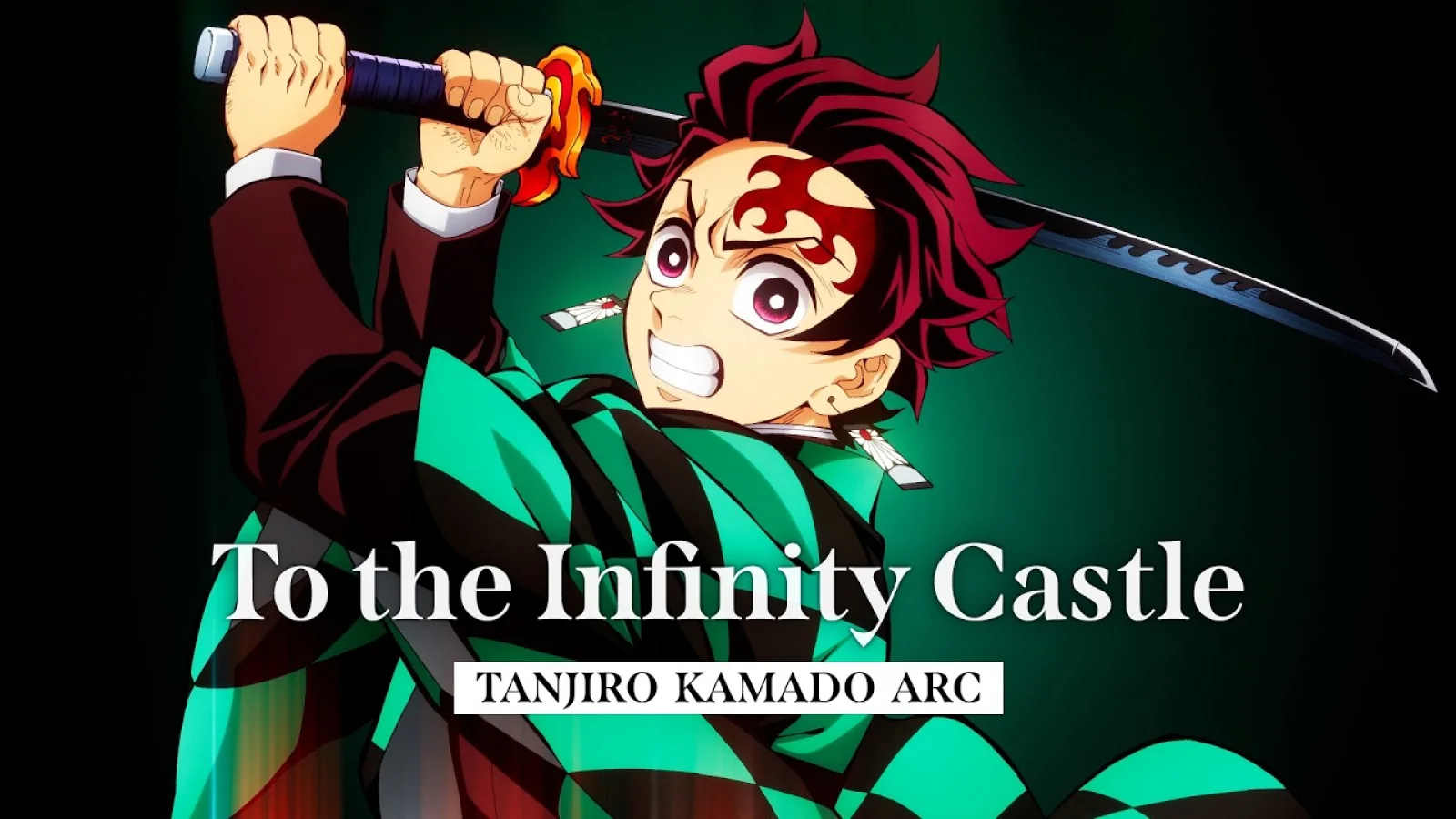
Flashbacks provide the heart—and damage the rhythm
Published reviews disagree on how successfully the film handles its backstories, but they identify the same structural feature. The Guardian emphasizes their emotional effect while noting that they can hamper combat. Anime News Network is more critical of the repeated pattern, while GamesRadar argues that character history helps justify the extended runtime.
A flashback is not filler merely because it pauses a fight. Demon Slayer uses memory to explain what someone protects, what was taken and why strength became either a means of connection or an excuse to abandon it. The problem is repetition: several encounters build present danger, move backward for emotional context and then resume combat. By the third cycle, the audience may anticipate the mechanism instead of inhabiting the moment.
A television episode break could give some of these histories room to settle. In one long sitting, the repeated reset accumulates fatigue even while the individual stories retain their force.
Sound gives the battles physical weight
Yuki Kajiura and Go Shiina’s music helps distinguish emotional memory from immediate danger without making them feel like separate productions. Orchestral passages widen the castle, electronic textures make it less natural and recurring musical ideas connect the film to the series before it.
Sound design is equally important. Sword contact, changes in breathing and sudden drops into silence keep the visual effects from becoming weightless color. A crowded frame can communicate a precise turning point because the audio tells the viewer which movement matters. This is one reason the theatrical format suited the film: the scale exists in sound as well as image.
Why the trilogy format limits this movie
The official site identifies Infinity Castle as the opening installment of a trilogy. The film completes meaningful confrontations rather than stopping mid-fight, but it cannot resolve the larger war while Muzan remains the central threat and much of the Corps is still dispersed through the castle.
The result feels like an emphatic first movement rather than a closed composition. That works for a multipart finale, but not for every viewer seeking a complete film. AdaptLore found no official release date for the second or third installment as of 3 September 2026.
Infinity Castle versus Mugen Train
Mugen Train remains the cleaner film. It gives the characters a contained journey, builds around a central location and allows Rengoku’s role to form a complete emotional line. A viewer can feel where that movie begins, turns and ends.
Infinity Castle is more ambitious: its environment is stranger, its active cast is larger and its conflicts carry years of accumulated history. It is the more technically overwhelming production, while Mugen Train remains more satisfying as a standalone piece of cinema.
Who should watch Demon Slayer: Infinity Castle?
- Watch it if you completed the Hashira Training Arc and value character history as much as choreography.
- Watch it if you want the final conflict presented at theatrical scale and accept a multipart ending.
- Wait if you want confirmed dates for all remaining films before beginning the trilogy.
- Choose another entry point if you are new to Demon Slayer, dislike flashbacks interrupting action or need firm closure.
Where to watch Demon Slayer: Infinity Castle I
As of 3 September 2026, Infinity Castle I is streaming on Crunchyroll worldwide except Japan and mainland China. It is also available to buy digitally in select territories through the Apple TV app, Prime Video, Google Play, YouTube and Fandango. Storefront availability still varies by country.
Final verdict
For returning viewers, the trade is worth making: the film’s interruptions can frustrate, but its best confrontations would carry less meaning without the histories behind them. Mugen Train remains the cleaner standalone film; as the opening strike of Demon Slayer’s finale, Infinity Castle is formidable.
Frequently asked questions
Is Demon Slayer: Infinity Castle worth watching?
Yes, if you followed the anime through the Hashira Training Arc. Its visual design, confrontations and emotional backstories reward existing investment, but it is not a self-contained recommendation.
Can I watch Infinity Castle without watching Demon Slayer?
It is possible but not recommended. The movie begins directly after a television cliffhanger and assumes familiarity with the Corps, the Hashira, Upper Rank demons and earlier losses.
Is Infinity Castle season five?
No. The official production describes Infinity Castle as a movie trilogy. The first film continues after the Hashira Training Arc but is not marketed as a fifth television season.
Does the first Infinity Castle movie finish Demon Slayer?
No. It resolves portions of the conflict but does not complete the final battle or the full anime adaptation. Two further films are planned.
How long is Demon Slayer: Infinity Castle?
The BBFC lists an approximate runtime of 156 minutes. Exact listings can vary slightly according to the classified version.
Is Infinity Castle suitable for children?
Suitability depends on age and local classification. The BBFC highlights strong violence, bloody images, brief references to suicide and self-harm, and flashing or flickering lights. Parents should check the rating and content advice issued in their own country.
Continue reading
Continue with action anime where every fight changes the story, Anime reviews, or latest Anime news.
Sources and verification
- Demon Slayer official website — primary source
Official source · accessed 3 Sep 2026 - Anime News Network
Specialist reference · accessed 3 Sep 2026 - Aniplex
Official studio · accessed 3 Sep 2026 - Associated Press
Specialist reference · accessed 3 Sep 2026 - British Board of Film Classification
Official filing · accessed 3 Sep 2026 - GamesRadar+
Specialist reference · accessed 3 Sep 2026 - The Guardian
Specialist reference · accessed 3 Sep 2026